The PTC
2
min read
Published on
July 23, 2026
July 16, 2026


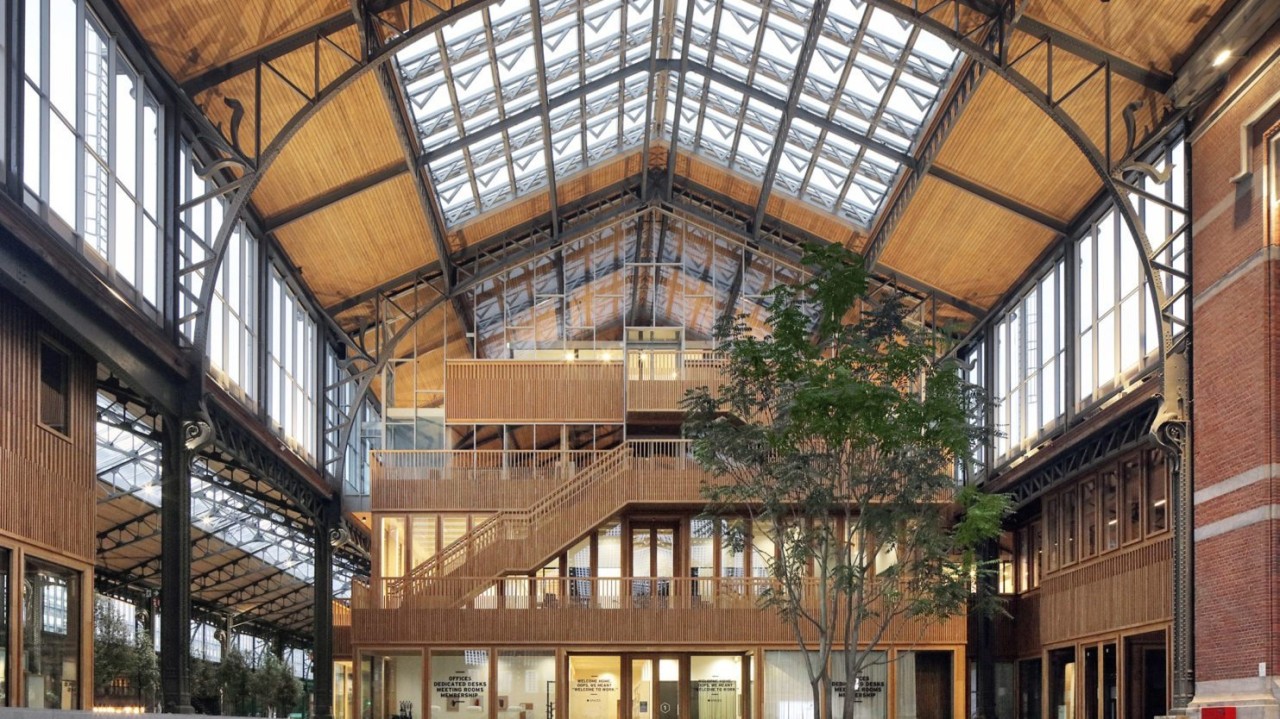
The global property market is undergoing a quiet transformation. While new development often captures attention, much of the sector’s focus is turning toward existing buildings, those that have reached the end of their original use but still hold potential.
Urban regeneration and adaptive reuse are no longer niche strategies; they are becoming central to sustainable growth. Within this shift, Proptech is emerging as an enabler of both efficiency and creativity, providing the data, tools, and processes to breathe new life into old spaces.
The demand for more housing and commercial space, and the environmental cost of continuous new construction. Reusing existing buildings mitigates carbon emissions, preserves cultural fabric, and supports local economies. Yet, adaptive reuse projects are complex. They require precise data on building condition, compliance with modern standards, and alignment with community expectations. Proptech solutions bridge these gaps by offering digital insights that were previously unavailable to developers and planners.
Digital twin technology, for example, allows stakeholders to create an accurate, interactive model of a building before any physical work begins. Structural weaknesses, energy inefficiencies, and design limitations can be identified virtually, reducing costly surprises during redevelopment. This data-driven approach improves decision-making and ensures that older buildings meet modern sustainability and safety requirements.
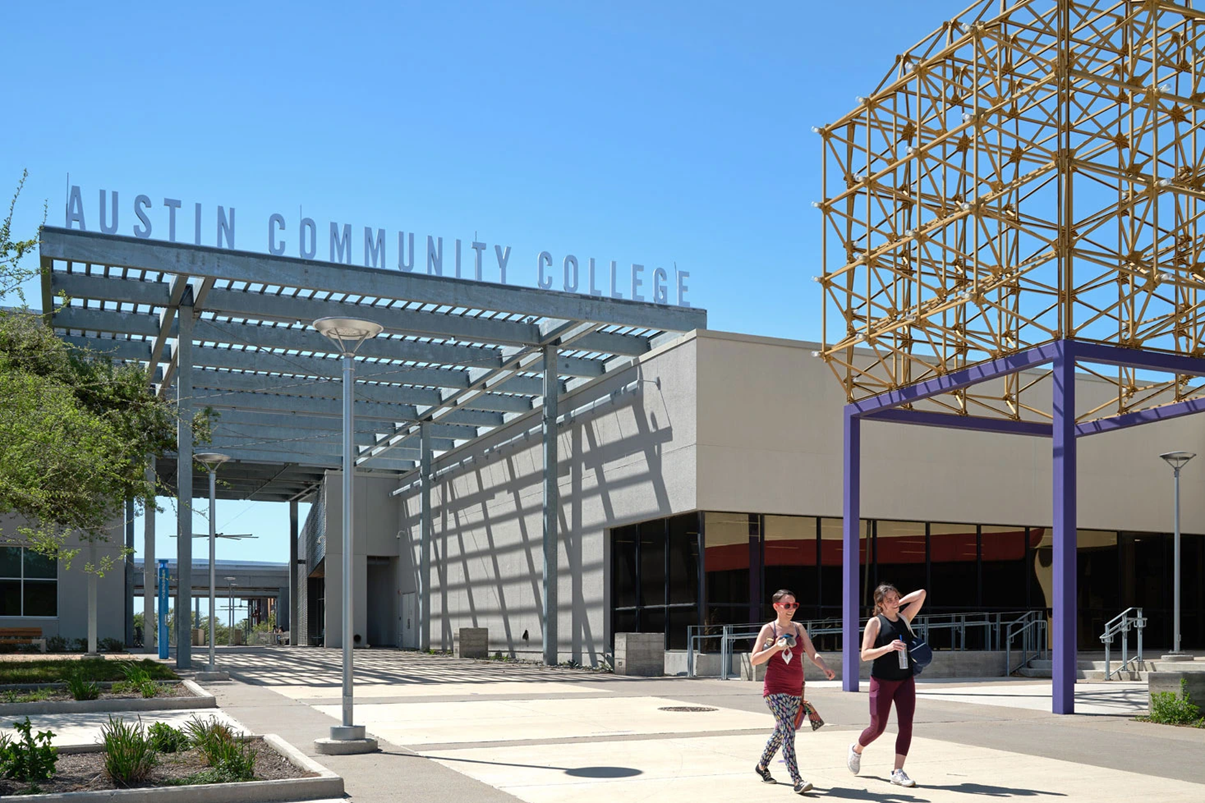
Another area where Proptech contributes is in materials and construction management. The rise of modular and off-site manufacturing technologies allows components to be designed, fabricated, and assembled with precision. Software platforms coordinate timelines, suppliers, and regulatory compliance, ensuring that adaptive reuse projects stay on track. These digital workflows are particularly valuable when dealing with heritage or mixed-use sites, where flexibility and transparency are essential.
Community engagement is also being transformed. Proptech tools support public consultation and local participation, ensuring redevelopment aligns with community needs. Digital platforms enable residents to provide feedback, visualise plans, and understand how projects will impact their neighbourhood. This transparency builds trust and accelerates planning approval processes, turning potential resistance into collaboration.
The financial side of urban regeneration is equally influenced by technology. Platforms that analyse local data, demographic trends, and asset performance provide investors with confidence in adaptive reuse strategies. Proptech-driven analytics identify opportunities that may be hidden in traditional valuation methods, such as emerging demand for co-living spaces, flexible offices, or mixed-use developments.
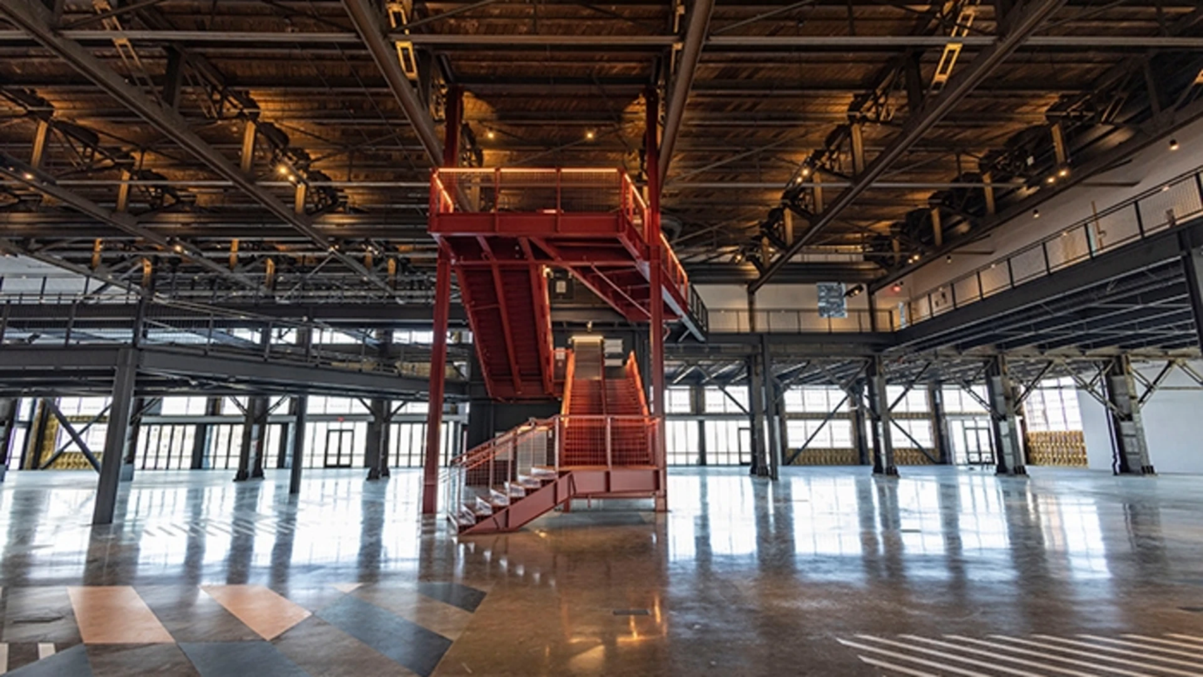
The sustainability implications are significant. Retrofitting existing buildings avoids the majority of embodied carbon associated with new construction. Smart sensors and energy management systems can then reduce operational emissions, aligning older assets with modern ESG standards. The ability to monitor and optimise building performance post-renovation ensures that adaptive reuse remains a long-term solution rather than a temporary fix.
Urban regeneration is not just a technical challenge but also a social one. Proptech is helping cities create environments where economic activity, community wellbeing, and environmental responsibility coexist. Whether through data-driven design, participatory planning, or operational efficiency, technology is transforming how we approach the existing built environment.

.jpeg)




.webp)




.jpeg)
.jpg)


.jpg)
.jpg)
.webp)
.jpg)
.jpeg)


.png)
.png)

.jpg)

.jpeg)
.jpeg)

.jpeg)
.jpg)
.jpg)
.png)

.jpg)
.jpeg)
.jpeg)
.jpeg)
.jpeg)

.jpeg)


.jpeg)

.jpg)
.jpeg)
.jpg)

.png)
.jpeg)


.jpg)


.jpeg)
.png)


.jpg)
.png)

.png)
.png)
.jpg)
.jpg)
.jpg)
.png)
.webp)
.png)
.jpg)
.jpg)

.png)



.jpg)


.jpeg)
.jpeg)

.png)
.png)
.png)
.jpeg)

.jpeg)
.png)