The PTC
5
min read
Published on
May 27, 2026
February 26, 2026


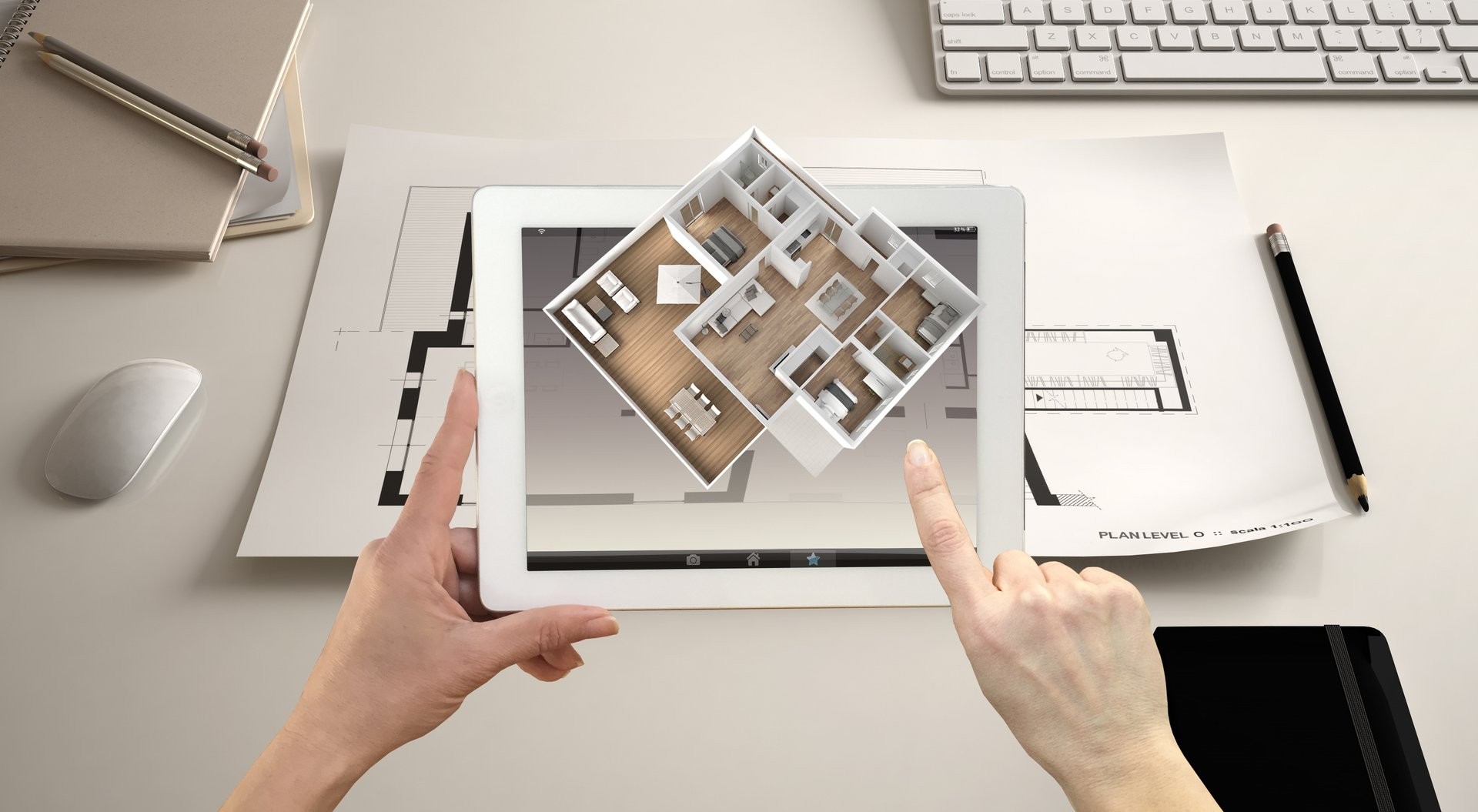
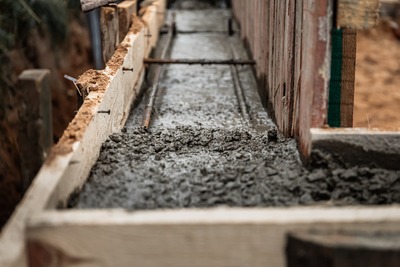
For decades, the built environment relied on a rigid, linearprocess. An architect’s vision was captured on static blueprints and handed toengineers and contractors to interpret. While this method built the modernworld, it came with inherent flaws: information silos, costly change orders,and the risk that errors would only be discovered once concrete was alreadypoured.
Today, we are seeing a fundamental shift awayfrom this static model. The industry is moving toward a dynamic, data-drivenecosystem where "handing off" designs is replaced by continuouscollaboration. Advances in Artificial Intelligence (AI) and Building InformationModelling (BIM) are transforming how buildings are designed and delivered,moving from a plain visual representation to a living simulation.
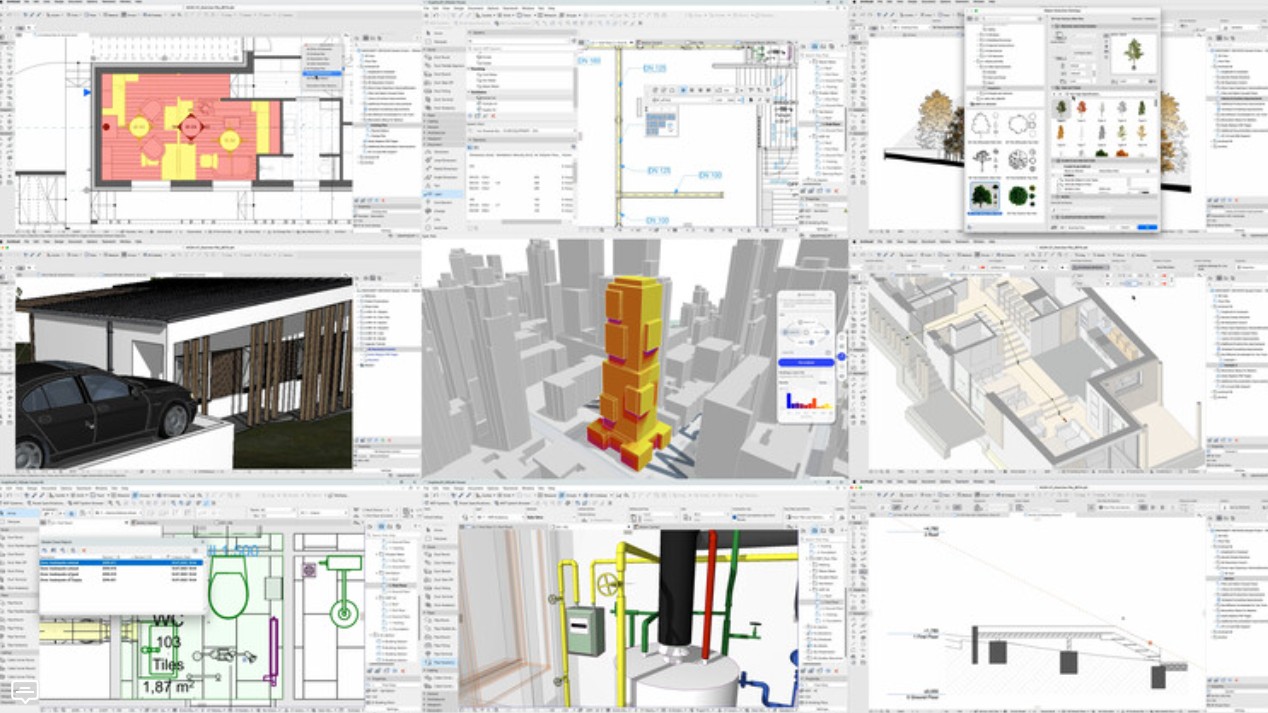
Early BIM adoption was essentially a 3D version of ablueprint with its core limitations maintained. Models were still largelystatic representations, updated periodically rather than continuously. Thismeant data was frequently out of sync with the reality on the construction site,which makes it costly for all teams on the project.
BIM 2.0 marks a fundamental paradigm shift. It changes themodel from a passive file into an active participant in both design andconstruction process. It functions as a living dataset rather than a fixedmodel. The value here is risk mitigation. By moving the "trial anderror" phase from the physical site to the digital twin, teams can resolveconflicts before they become expensive change orders.
Today’s models are "living" datasetswhere every beam, pipe, and wire is embedded with data regarding performance,cost, and lifespan. When paired with AI, these models become self-auditing.They can actively scan for structural clashes or code violations in real-time,saving huge amount of time and mitigating potential failure due to outdateddata.
Traditional design methods such as manual sketching anditerative prototyping can take weeks and cost thousands in resources. With thetime constraints, there is only a handful of viable options that can be fullyexplored before the deadline.
To speed up the design process and provide morepossibilities, AI has introduced generative design, which acts as a forcemultiplier for creativity. Instead of drawing walls, architects now defineparameters, such as natural light requirements, occupancy flow, and materialsustainability. The AI then generates thousands of design permutations inseconds, optimizing for the best possible outcome rather than just the firstviable one.
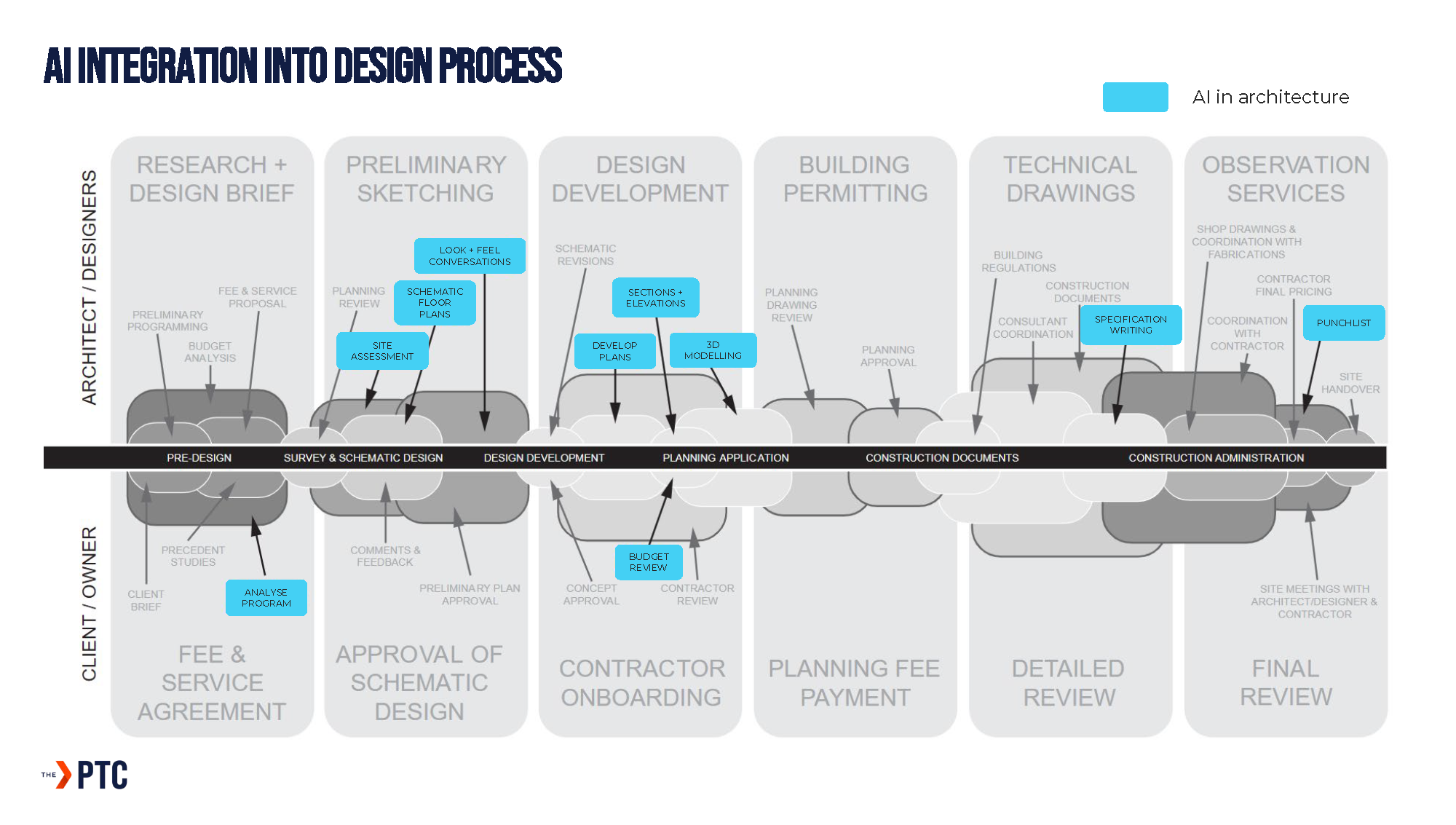
However, this doesn't replace the architect. It liberatesthem from repetitive drafting. By automating the iteration process, firms cancut prototyping time by roughly 30%, allowing human talent to focus on curatingthe best solutions rather than drawing them. Faster iteration enables earlierdecision-making, reduces late-stage changes, and shortens overall projecttimelines.
When integrated with BIM 2.0, AI could alsoadjust the design in real-time, giving the teams a peace of mind and allowingthem to focus more on high-level strategy and innovation rather thanrepetitive, time-consuming tasks.
With the rapid growth and adoption of AI across all sectors,it goes beyond improving efficiency in the design stage.
One of construction's most persistent inefficiencies hasbeen the fragmentation of data. Architects, engineers, and contractors oftenworked from different versions of the truth. A change in the architecturalmodel might not reach the structural engineer until days later, leading tomisalignment and site errors.
AI-enabled cloud platforms are creating a single source of truth.We are moving toward an environment where changes made by one discipline areinstantly visible to all others. AI algorithms monitor these changes in thebackground, flagging potential conflicts immediately.
This shared intelligence fosters a culture of"we" rather than "us vs. them." It drastically reduces theadministrative burden of requests for information (RFIs) and ensures that thebuilding being designed is exactly the building being built.
With their benefits stated above, the integration takes futureprojects to the next level. At the heart of this transformation is the conceptof 'prediction'.
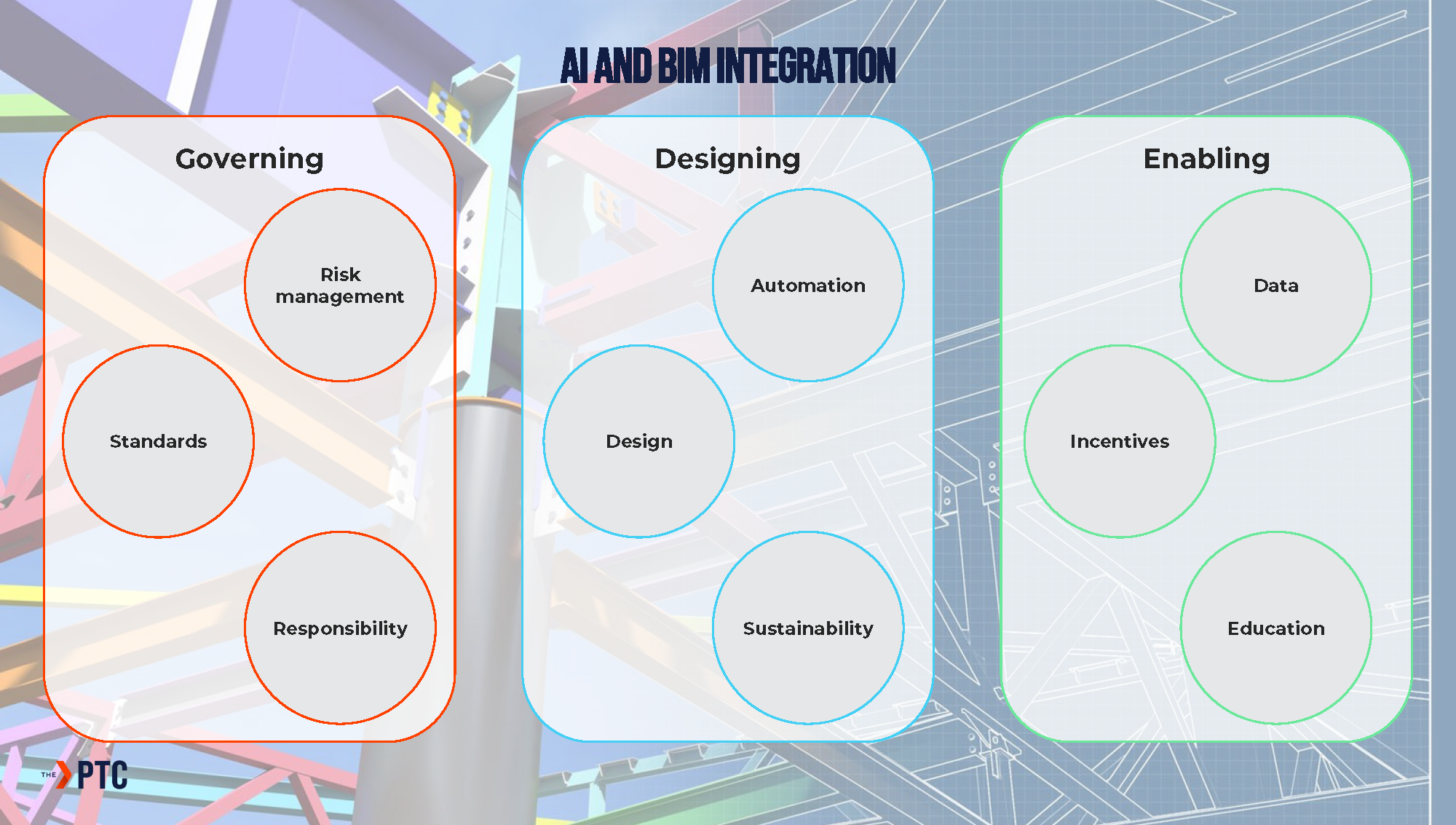
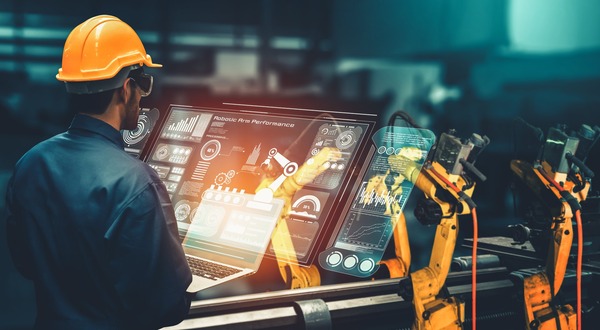
The digital twin created during design is now persistinginto the operational phase. By feeding this model with real-time sensor data, AIcan analyse BIM data sets, learn from them, and predict when equipment willfail before it happens.
This shifts maintenance from reactive toproactive. A 2025 study suggests that utilizing digital twins can reducematerial waste by up to 25% over an asset's life. In an era of strict ESG goalsand rising material costs, this long-term efficiency is a critical competitiveadvantage.
The transition from blueprints to bots is not just aboutadopting new software. It is about redefining precision and relocating valuableresources. Accuracy means more than correct measurements on the print, but theintegrity of data across the entire lifecycle of a project.
AI-BIM integration is enabling a future whereprojects are more predictable, more sustainable, and ultimately, moreprofitable. They are becoming the foundation upon which modern architecture andconstruction are built.
.jpeg)



.webp)




.jpeg)
.jpg)


.jpg)
.jpg)
.webp)
.jpg)
.jpeg)


.png)
.png)

.jpg)

.jpeg)
.jpeg)

.jpeg)
.jpg)
.jpg)
.png)

.jpg)
.jpeg)
.jpeg)
.jpeg)
.jpeg)

.jpeg)


.jpeg)

.jpg)
.jpeg)
.jpg)

.png)
.jpeg)


.jpg)


.jpeg)
.png)


.jpg)
.png)

.png)
.png)
.jpg)
.jpg)
.jpg)
.png)
.webp)
.png)
.jpg)
.jpg)

.png)



.jpg)

.jpeg)
.jpeg)

.png)
.png)
.png)
.jpeg)

.jpeg)
.png)