The PTC
4
min read
Published on
February 23, 2026
February 19, 2026


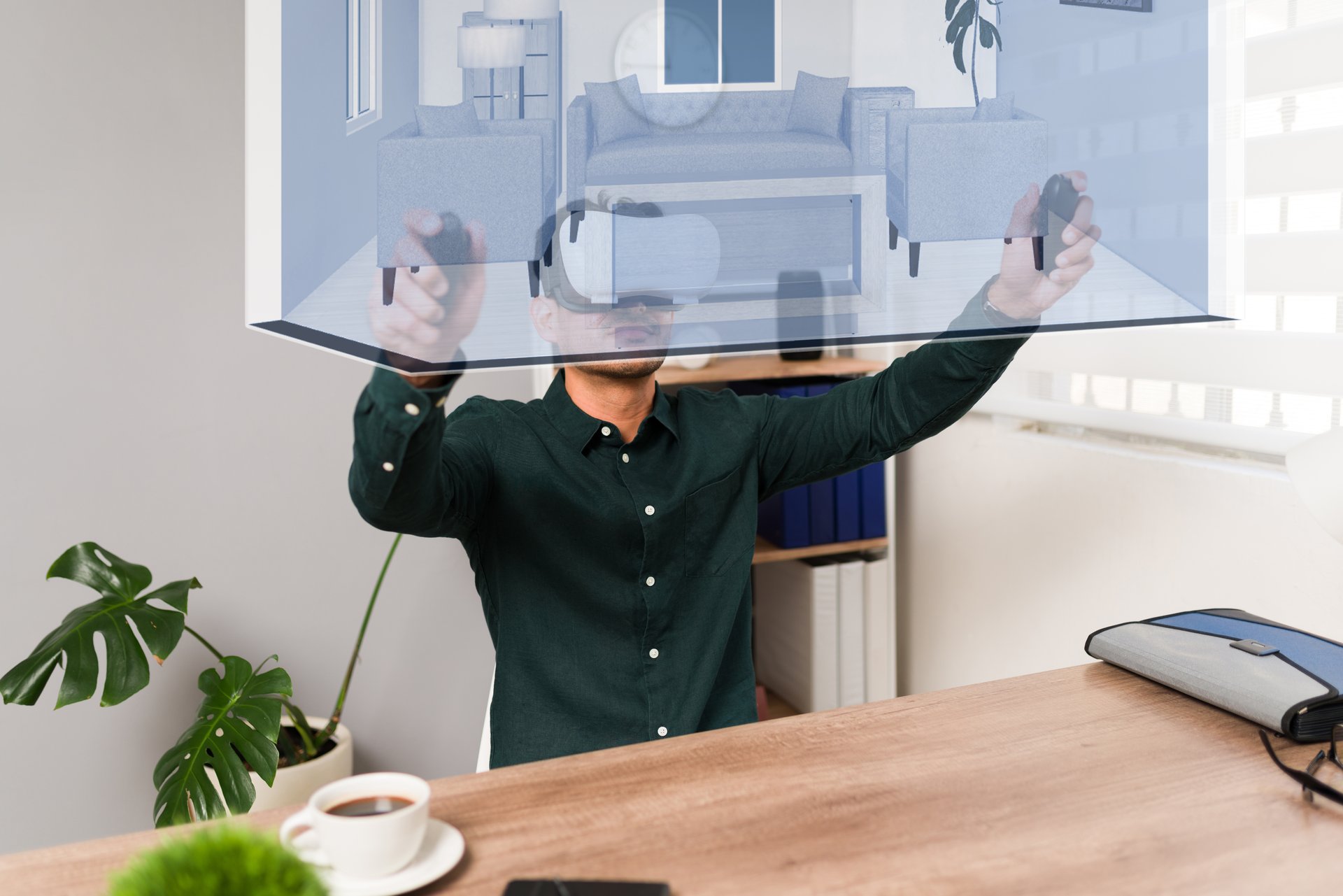
The property market has historically been defined by geography and physical presence, where the ability to transact depended entirely on proximity. If a buyer could not physically stand in a room, touch the finishes, and view the horizon from the window, a sale was unlikely to proceed. Distance acted as the ultimate friction, slowing down decisions and limiting the pool of potential buyers to those who could easily travel. In this traditional model, physical presence was treated as a prerequisite for serious intent.
That assumption is now steadily weakening. We are seeing people using techs such as virtual reality (VR), augmented reality (AR), and smart contracts as more than a cherry on top, but as an essential part across the entire sales cycle.
This evolution is most visible in markets driven by international demand and buyers who are pressed for time. Investors managing global portfolios, executives relocating across borders, and families making complex decisions under tight schedules all face the same limitation. They cannot easily align travel logistics, time zones, and rigid inspection windows. Real advancements in adoption of technology is a necessary response to this friction that has historically plagued the industry.
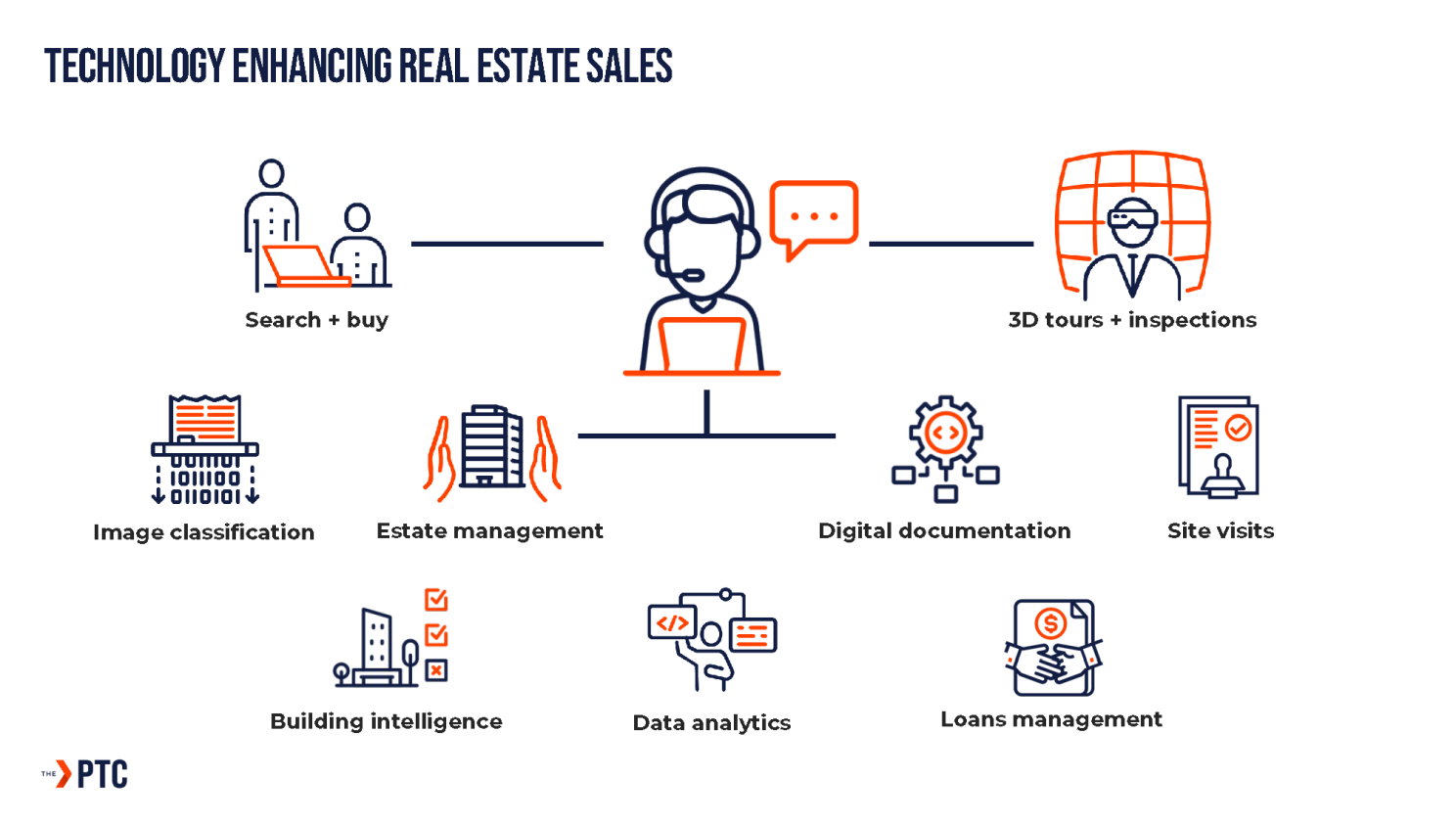
In the traditional sales model, the first inspection was a moment of discovery. Buyers relied on static photography that often failed to accurately convey size and lighting. This led to a high volume of wasted viewings, where a property was immediately ruled out upon arrival because the layout or flow did not match the static images. This process was inefficient for agents and frustrating for buyers.
Today, virtual reality and 360 degree visual tours have evolved into a primary point of engagement for first wave of adopters. These immersive experiences have effectively replaced the first physical viewing. Rather than serving as a simple marketing gimmick, they perform the heavy lifting of orientation and qualification.
Unlike static images, immersive tours allow buyers to understand spatial relationships, room proportions, and natural light with remarkable accuracy. They enable users to move through a property at their own pace, revisit key areas, and explore details that matter to them personally. This autonomy fundamentally changes the dynamic where engagement becomes active rather than passive.
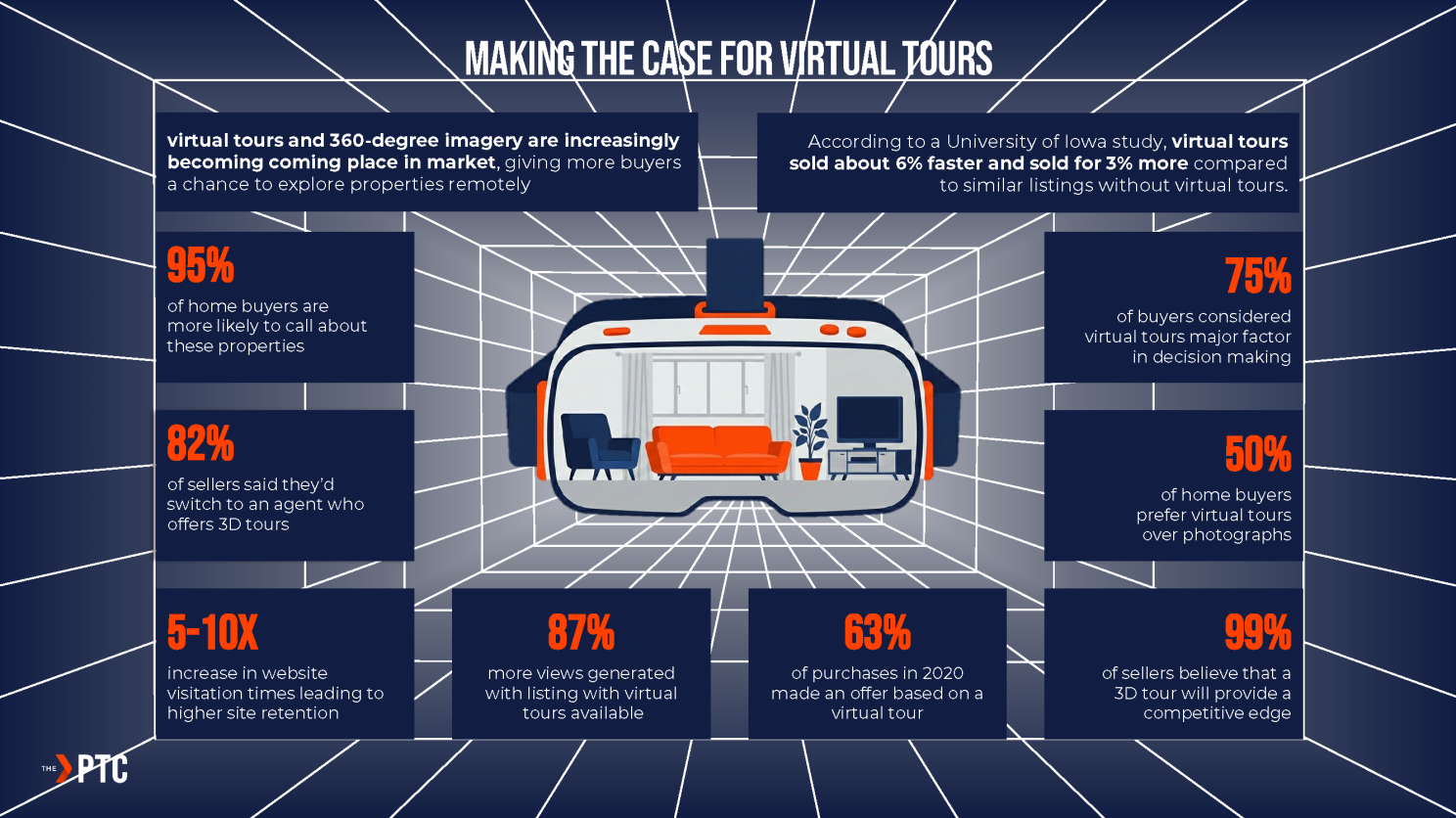
Its impact on performance is measurable and significant. Stats show that listings including 360 degree virtual tours receive 87% more views and generate 49% more qualified leads compared to those that do not. This indicates that immersive access acts as a powerful filter. Casual browsers self-select out of the process, while serious buyers progress with greater intent. By the time a physical enquiry is made, the buyer is already highly informed and engaged.
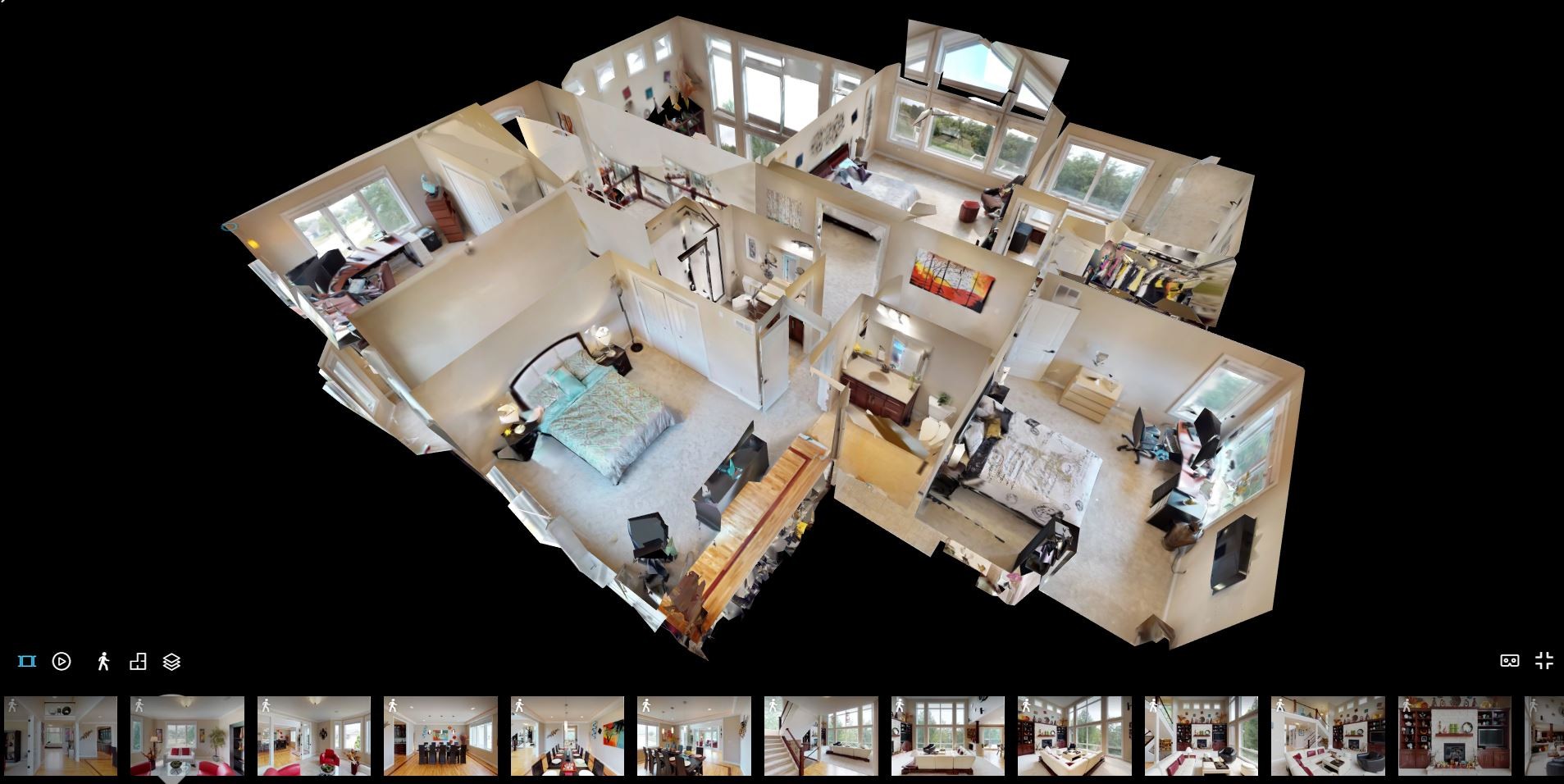
Confidence has always been the most critical variable in property transactions. High value decisions naturally amplify the cost of doubt, and doubt creates delays. In the past, repeated physical visits was the main method of addressing uncertainty. For international buyers, this often meant delaying a purchase for months until a trip could be arranged, by which time the opportunity might have been lost.
Immersive technology reduces this friction by answering practical questions before they are formally asked. Buyers gain a strong sense of what a property offers and, just as importantly, what it does not. This transparency is particularly relevant for the "sight unseen" buyer segment, which is growing rapidly.
Virtual tours provide continuous, around the clock access. This allows buyers to evaluate options thoroughly and share the experience with partners or advisors in different locations. As a result, the eventual physical inspection becomes a moment of confirmation rather than investigation.
Buyer behaviour clearly reflects this psychological shift. Research suggests that around 75% of potential buyers now consider virtual tours a key input into their decision-making process. This signals a broader change in expectations. Digital access is no longer perceived as a compromise or a backup plan. It is increasingly seen as a prerequisite for informed professional decision making.
The benefits of immersive access extend well beyond the initial discovery phase. When buyers enter the formal sales process with clearer alignment, transactions tend to progress with much greater velocity.
Conversations move quickly away from basic questions about layout or condition and towards negotiation, timing, and terms.
For agents and sellers, this shift changes how resources are allocated. Time is focused on high intent buyers rather than managing large volumes of low-quality enquiries. In addition, the overall process becomes more predictable, with fewer surprises emerging after offers are made because the digital due diligence was thorough.
Digital continuity enhances the home search experience. When the journey from online inspection to formal offer feels cohesive and modern, buyers are less likely to pause or reassess their options. Momentum is maintained, and in competitive markets, momentum is often the deciding factor between a successful conversion and a lost sale.
While there is available tech at front end of the sales funnel, the back end has historically been a critical source of friction. The closing process was defined by paper-based contracts, manual wet signatures, and fragmented document trails. This administrative lag often slowed transactions at the very moment when decisiveness mattered most.
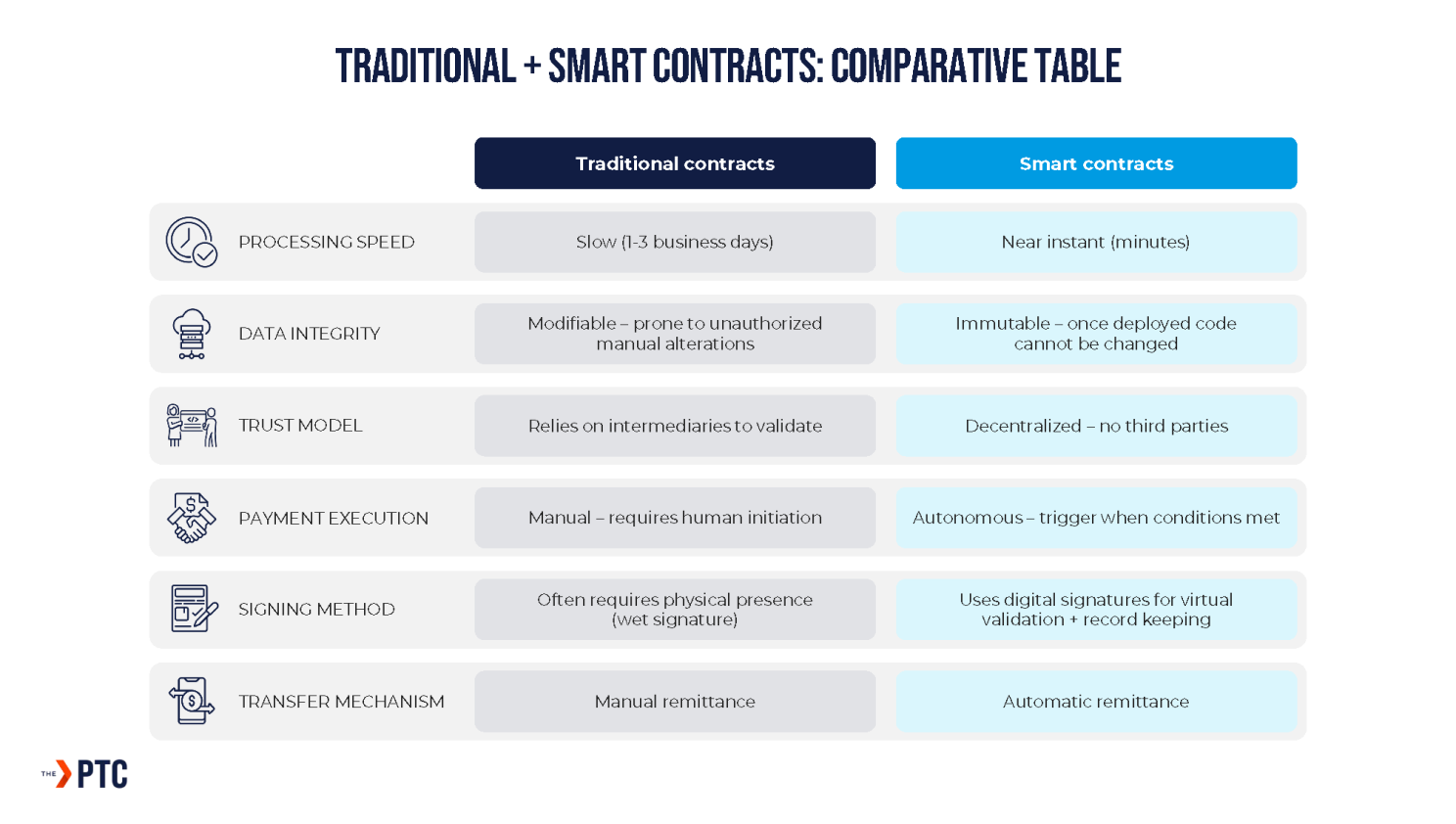
The transition to smart contracts and blockchain backed electronic signatures is resolving this final bottleneck. Digital execution allows agreements to be reviewed and signed instantly, without the need to coordinate physical meetings or rely on courier timelines. For cross border transactions, this capability can compress a process that once took weeks into a matter of hours.
Beyond speed, these systems offer superior security and auditability. Blockchain backed records create tamper resistant logs of every action and approval. Each step is time stamped and verifiable, significantly reducing the potential for disputes regarding version control or execution timing. From the buyer perspective, the experience is improved with seamless progression from virtual inspection to digital contracts. Integrating these offering builds tech infrastructure that enables a streamlined and secure end-to-end process.
The technology driven realty landscape is not about removing human judgement from property transactions. It is about removing unnecessary obstacles. Immersive viewing and secure digital contracting allow buyers to make decisions with greater clarity and confidence, while enabling sellers and agents to operate with unprecedented efficiency.
As markets continue to globalize, access will increasingly be defined by availability rather than proximity. Properties that can be experienced, evaluated, and transacted without friction will hold a distinct structural advantage. Immersive technology and digital execution are no longer optional enhancements. They are the foundational elements of how modern real estate is bought and sold.
.jpeg)




.webp)




.jpeg)
.jpg)


.jpg)
.jpg)
.webp)
.jpg)
.jpeg)


.png)
.png)

.jpg)

.jpeg)
.jpeg)

.jpeg)
.jpg)
.jpg)
.png)

.jpg)
.jpeg)
.jpeg)
.jpeg)
.jpeg)

.jpeg)


.jpeg)

.jpg)
.jpeg)
.jpg)

.png)
.jpeg)


.jpg)


.jpeg)
.png)


.jpg)
.png)

.png)
.png)
.jpg)
.jpg)
.jpg)
.png)
.webp)
.png)
.jpg)
.jpg)
.jpg)

.png)



.jpg)


.jpeg)
.jpeg)

.png)
.png)
.png)
.jpeg)

.jpeg)
.png)