The PTC
4
min read
Published on
February 23, 2026
February 5, 2026


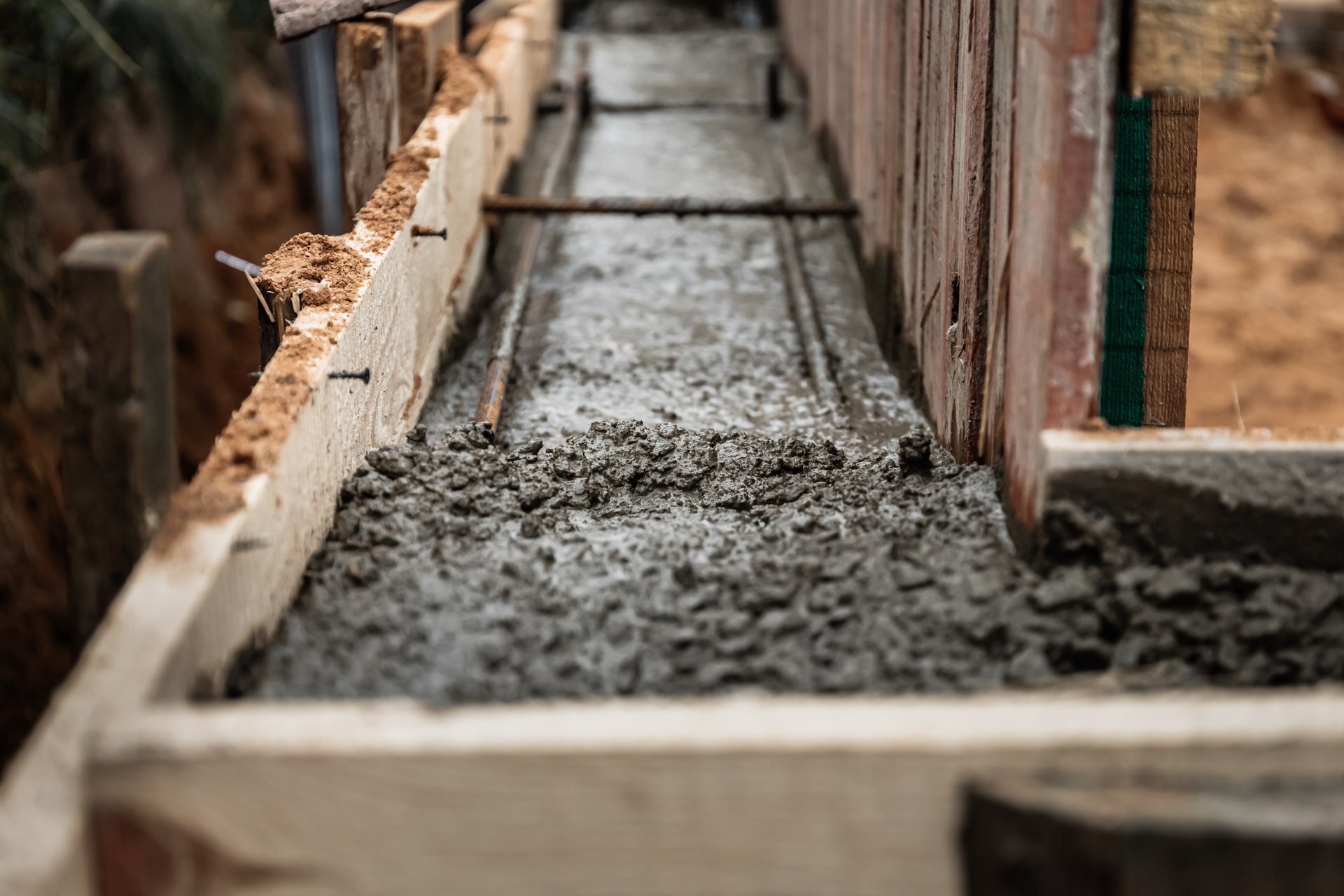
Early forms of concrete have existed since 6,500 BC, with concrete-like structures built using hydraulic lime in the Middle East, before modern Portland cement was invented in 1824. Inherently, the concrete curing process has been central to the evolution of our built environment and core to modern construction.
However, concrete maturity monitoring (tracking the strength development during the curing) has only been around since the 1950’s when researchers developed the Temperature-Time Factor, estimating concrete strength based on temperature history. Since then, the amount of concrete produced has surged, and the methods of monitoring it have evolved. Yet, there is still progress to be made; infrastructure corrosion in Australia translates to a cost of $100 billion for the economy, 30% of which could be saved by better management. This newsletter aims to explore these technologies and use cases while unpacking market adoption and commercial maturity within the space.
Concrete monitoring typically refers to concrete maturity monitoring – monitoring the concrete while it is curing, though we extend the definition out to any application tracking concrete. As such, we can basically divide this space into two general categories: concrete maturity monitoring and Structural Health Monitoring (SHM).
Unlike maturity monitoring, where sensors take information from the concrete during the cure, SHM occurs further down the lifecycle, tracking structural health. The primary distinction lies in the objective of the collected data. Maturity sensors are predominantly a construction phase tool designed to accelerate the build as they measure temperature and strength development in real time. This allows teams to employ formwork or tension cables earlier to generate significant time and cost savings, where Giatec quote up to 50% direct test cost savings.
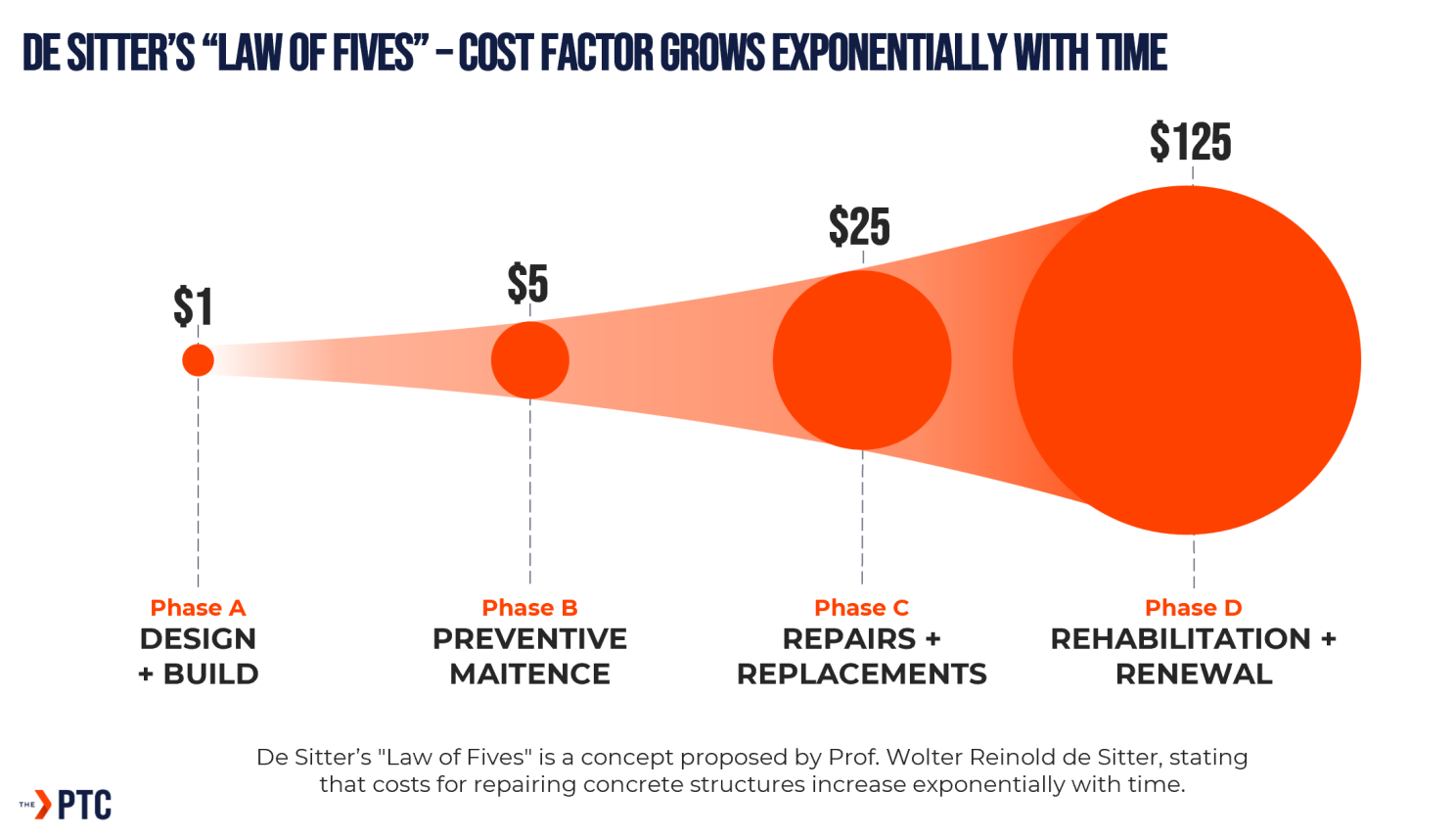
Conversely, SHM serves the asset management phase. These systems utilise a broader array of inputs, such as corrosion sensors or strain gauges, to detect corrosion before it becomes critical. While maturity sensors focus on time savings during curing, the application of SHM is for monitoring for preventative maintenance, mitigating the financial burden of reactive repairs, as shown by De Sitter’s Law of Fives (see below).
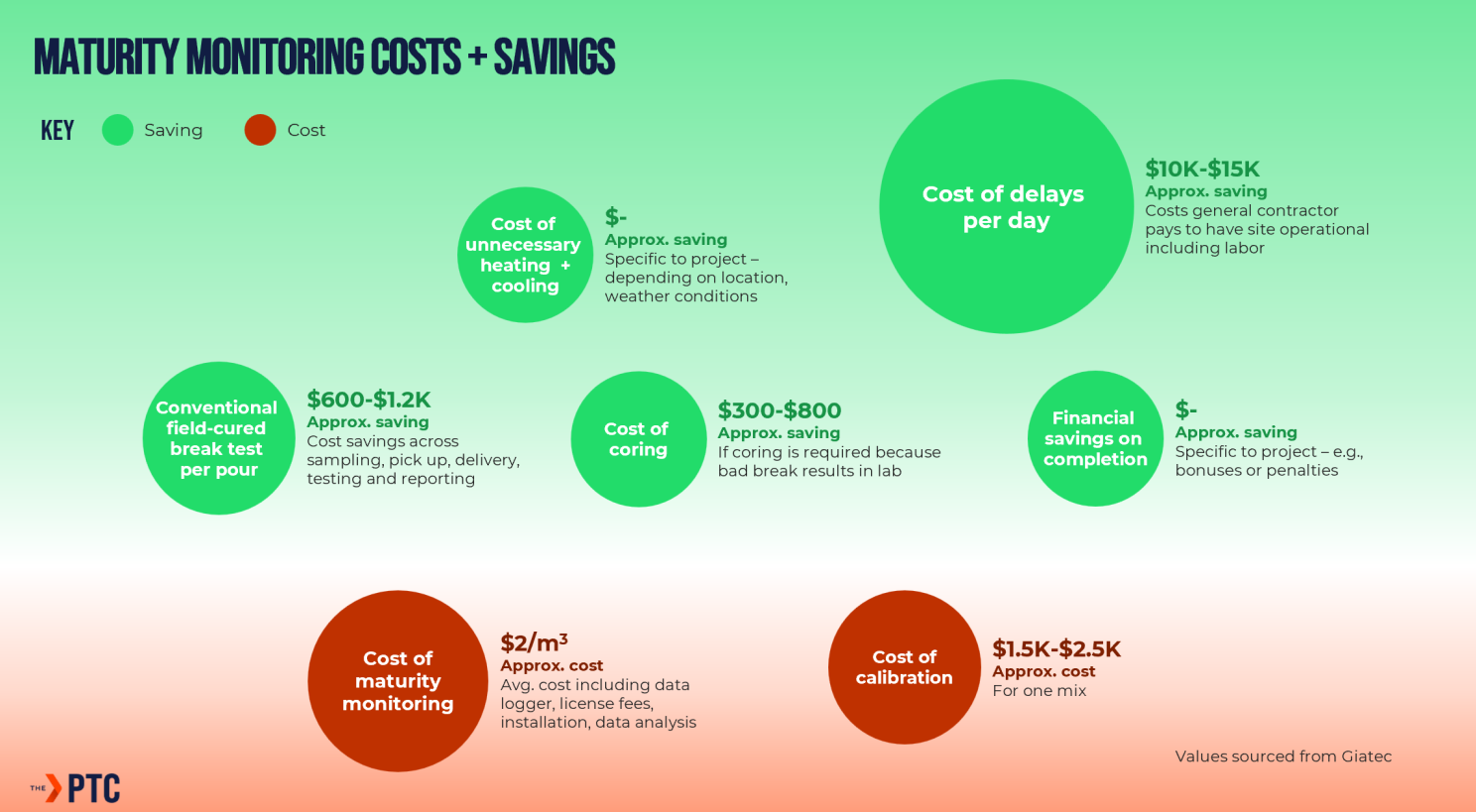
As mentioned, maturity monitoring has been around for more than half a century. However, actual adoption varies significantly between the two technology types. Curing sensors are now relatively common across the industry. They have moved past the early adopter phase. Most major contractors now view them as a standard requirement for complex builds. The tech is commercially mature as the business case is simple because the time savings happen immediately, resulting in realised cost savings (see visual below)
The landscape is different for structural health monitoring. Comprehensive IoT systems for long-term safety are becoming more widely used, but are still not common. Globally, most infrastructure assets are still monitored using traditional manual methods. The adoption growth is slower here because of the maturity of the technology, and the ROI takes longer to realise. Asset owners are only just starting to move away from reactive management. We expect this gap to close as the focus on lifecycle risk mitigation continues to grow.
The Karla Tower in Sweden serves as a prime example of using curing sensors for schedule adherence.
The project required building the tallest tower in Sweden (245 m), presenting significant challenges for vertical construction speed. The construction team needed to know exactly when the concrete had reached sufficient strength to proceed with the next floor. They deployed curing sensors to provide real-time data on the concrete maturity throughout the build. This approach removed the uncertainty associated with traditional testing methods. The data allowed the team to cycle formwork more efficiently and maintain a strict construction timeline on a large-scale development.

The Smart Road initiative in Italy illustrates the expansion of intelligence down the asset lifecycle, driven by the need to mitigate degradation risk.
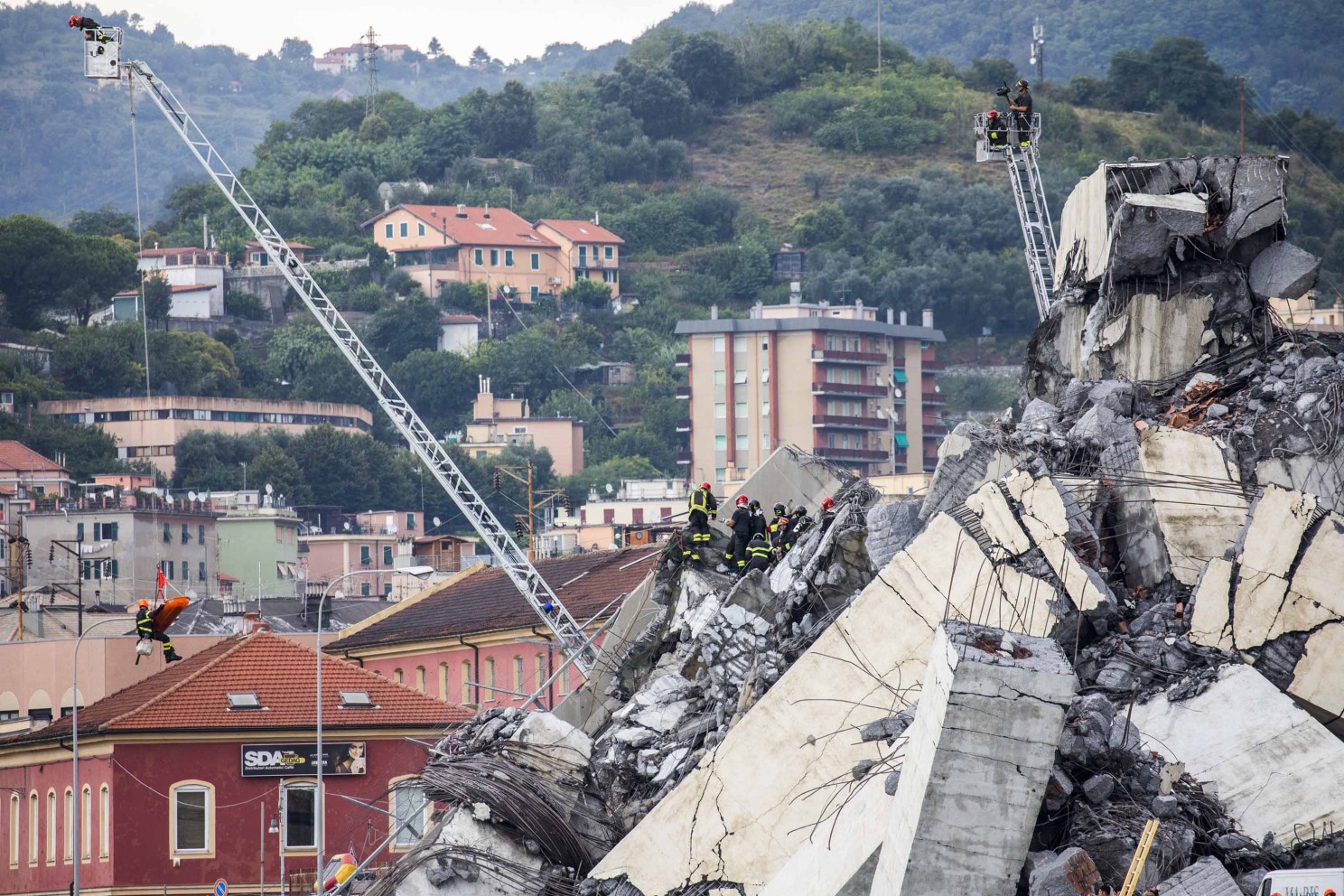
This project emerged after the Morandi Bridge collapse (pictured above), which highlighted the critical need for better infrastructure visibility. The initiative focuses on deploying monitoring systems across the road network to track structural health constantly. It moves beyond simple observation by bringing different intelligence together to valuable insights across SHM and other infrastructure management. The goal is to shift from reactive repairs to a predictive model where safety risks are identified early. This comprehensive IoT approach represents a significant maturity shift for structural health monitoring in public infrastructure.
The future of this sector relies on integration, where we see a concept where both data feeds are integrated into central models like BIM or a digital twin. Currently, these datasets often sit in silos and lose value once the core use case is completed.
Developing a data model over the whole lifecycle is the next logical progression, meaning the temperature history from the pour becomes part of the permanent record. It allows engineers to look back at early-stage stresses if cracks appear years later. This approach transforms a static 3D model into a dynamic historical archive of the asset. The value comes from connecting the early build phase directly to long-term operations.
.jpeg)




.webp)




.jpeg)
.jpg)


.jpg)
.jpg)
.webp)
.jpg)
.jpeg)


.png)
.png)

.jpg)

.jpeg)
.jpeg)

.jpeg)
.jpg)
.jpg)
.png)

.jpg)
.jpeg)
.jpeg)
.jpeg)
.jpeg)

.jpeg)


.jpeg)

.jpg)
.jpeg)
.jpg)

.png)
.jpeg)


.jpg)


.jpeg)
.png)


.jpg)
.png)

.png)
.png)
.jpg)
.jpg)
.jpg)
.png)
.webp)
.png)
.jpg)
.jpg)
.jpg)


.png)



.jpg)


.jpeg)
.jpeg)

.png)
.png)
.png)
.jpeg)

.jpeg)
.png)