The PTC
3
min read
Published on
July 23, 2026
June 4, 2026


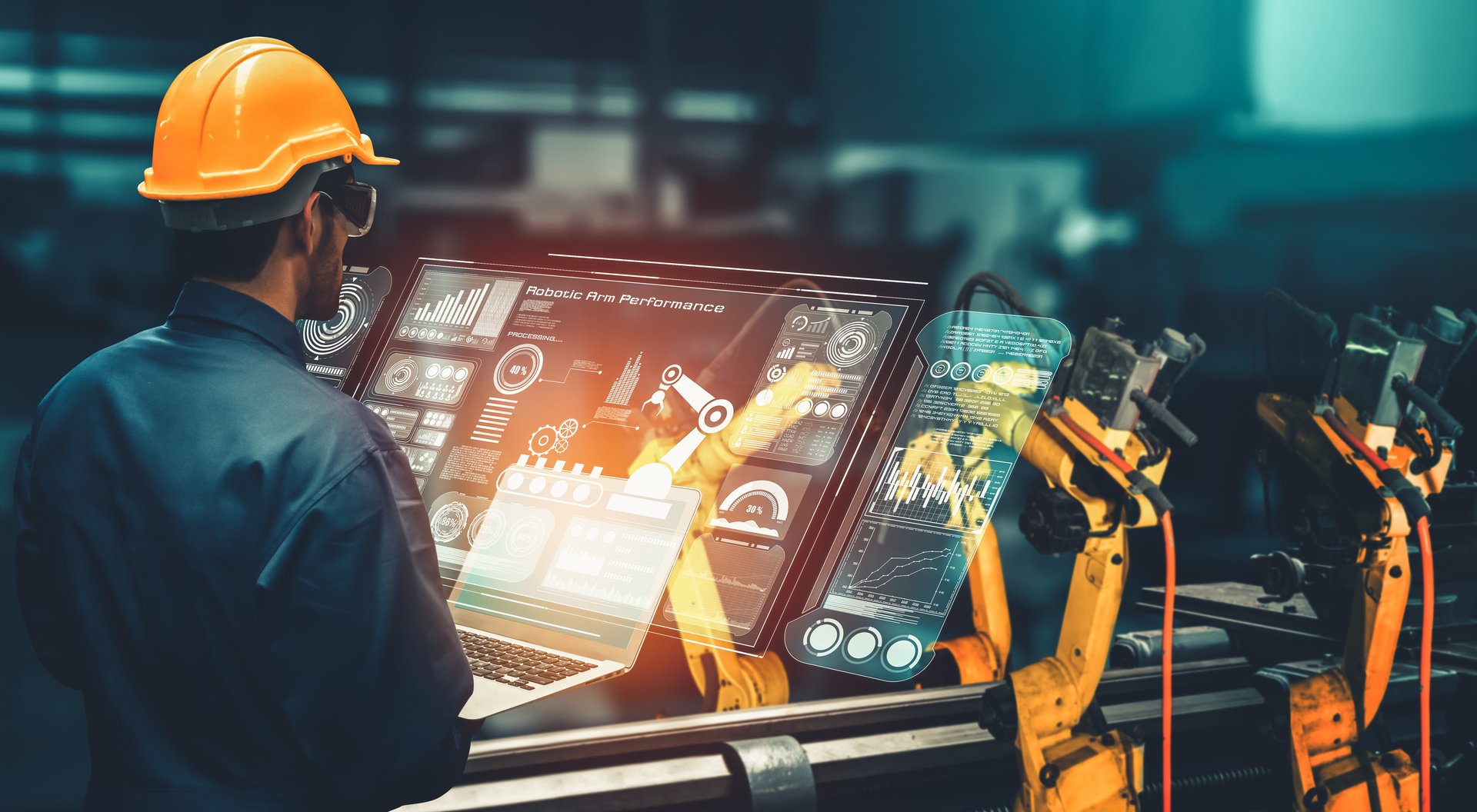
The tech world has long been obsessed with robots replacing humans. Just some time ago, we saw humanoid robots completing half-marathons in Beijing.
In the flat-floor world of logistics, robotics and increased automation are starting to make sense. However, a construction site is not a warehouse. It is a constantly changing environment of uneven ground, materials scattered everywhere, and unpredictable weather. For a humanoid, every step is a high-stakes calculation. For the construction industry, that "cool factor" is a liability. On-site, the environment is the constraint. Practicality is the only metric that matters.
What exactly do we mean by specialised in this context?
Let's think of these machines as smart tools, rather than artificial humans. Humanoid robots are designed to resemble humans and adapt to a wide variety of tasks in environments built for people. Specialised robots, on the other hand, are designed to master a repeatable action with superhuman precision. Whether it's tying rebar or drilling high-altitude anchor bolts, mastering a task immediately creates commercial value.
In the real estate technology sector, reliability is the ultimate measure. A machine (however it looks) that drills with perfect accuracy is far more valuable than one that can only walk through a door.
Using robots in construction is improving the way projects are handled by eliminating certain jobs, increasing safety and boosting efficiency. Here are a few of the latest robotic technologies that are dominating the investment landscape:
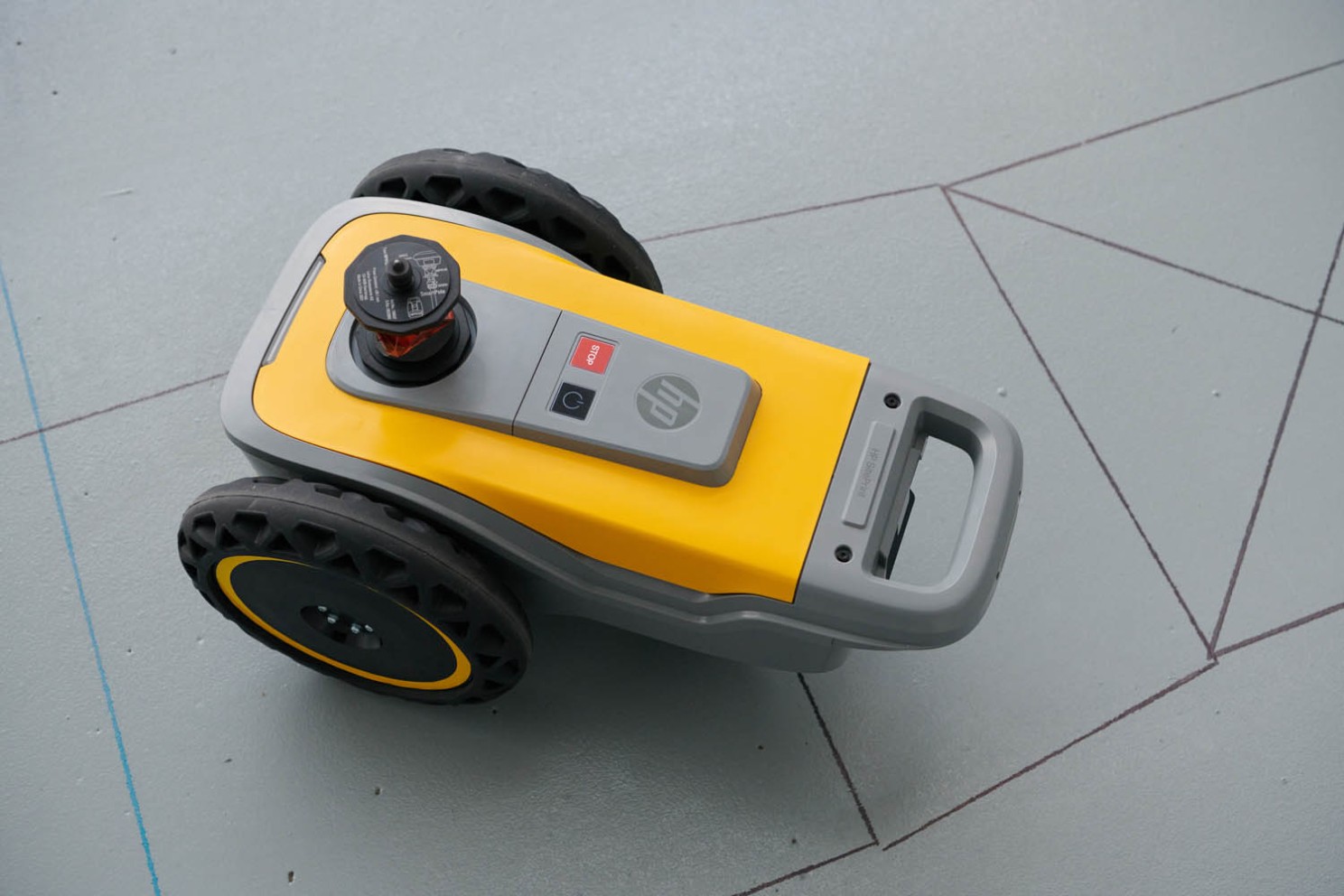
Autonomous layouts:
Small, rugged units that "print" BIM data directly onto concrete slabs, turning digital blueprints into millimetre-perfect chalk lines. These robots take digital blueprints, such as CAD files or BIM models, and print them onto the construction site. They can lay out 10,000 to 15,000 square feet per day, which is up to 10 times faster than manual methods.
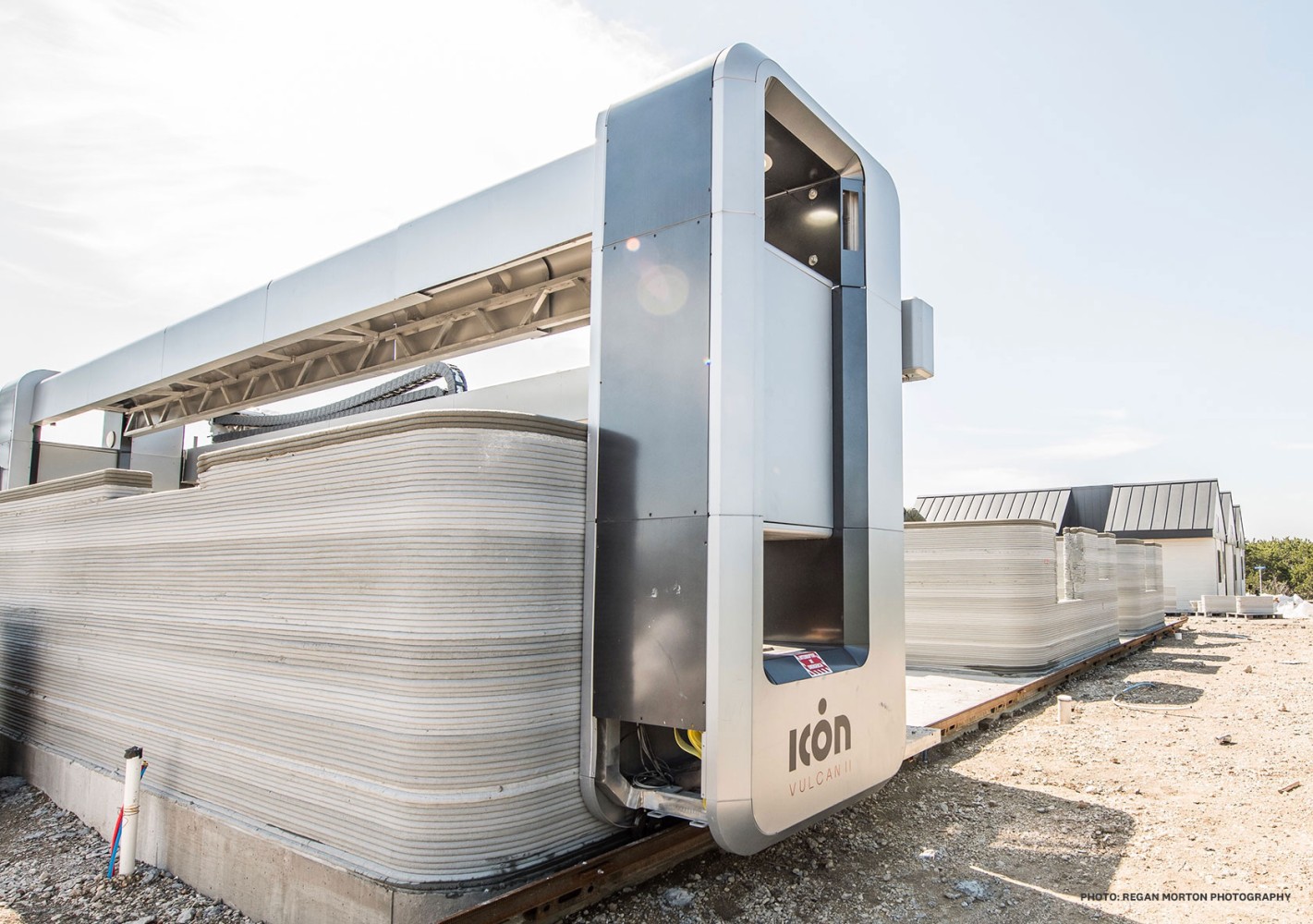
3D concrete printing:
Gantry systems that "grow" structural walls, bypassing the need for traditional formwork. These robots use robotic arms or gantry systems to deposit materials like concrete layer-by-layer to create structures. ICON and COBOD are leading companies producing 3D-printed homes and buildings.
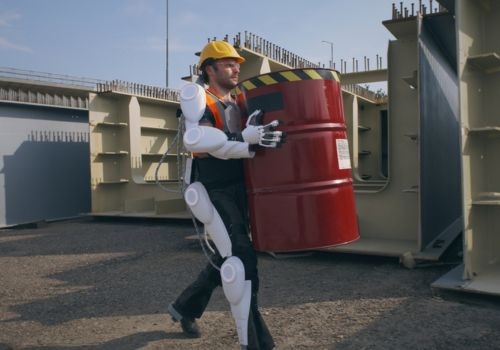
Augmented lifting exoskeletons:
Exoskeletons turn construction workers into high-precision lifting platforms by providing mechanical support that reduces muscular strain and fatigue while enabling precise, controlled movements.
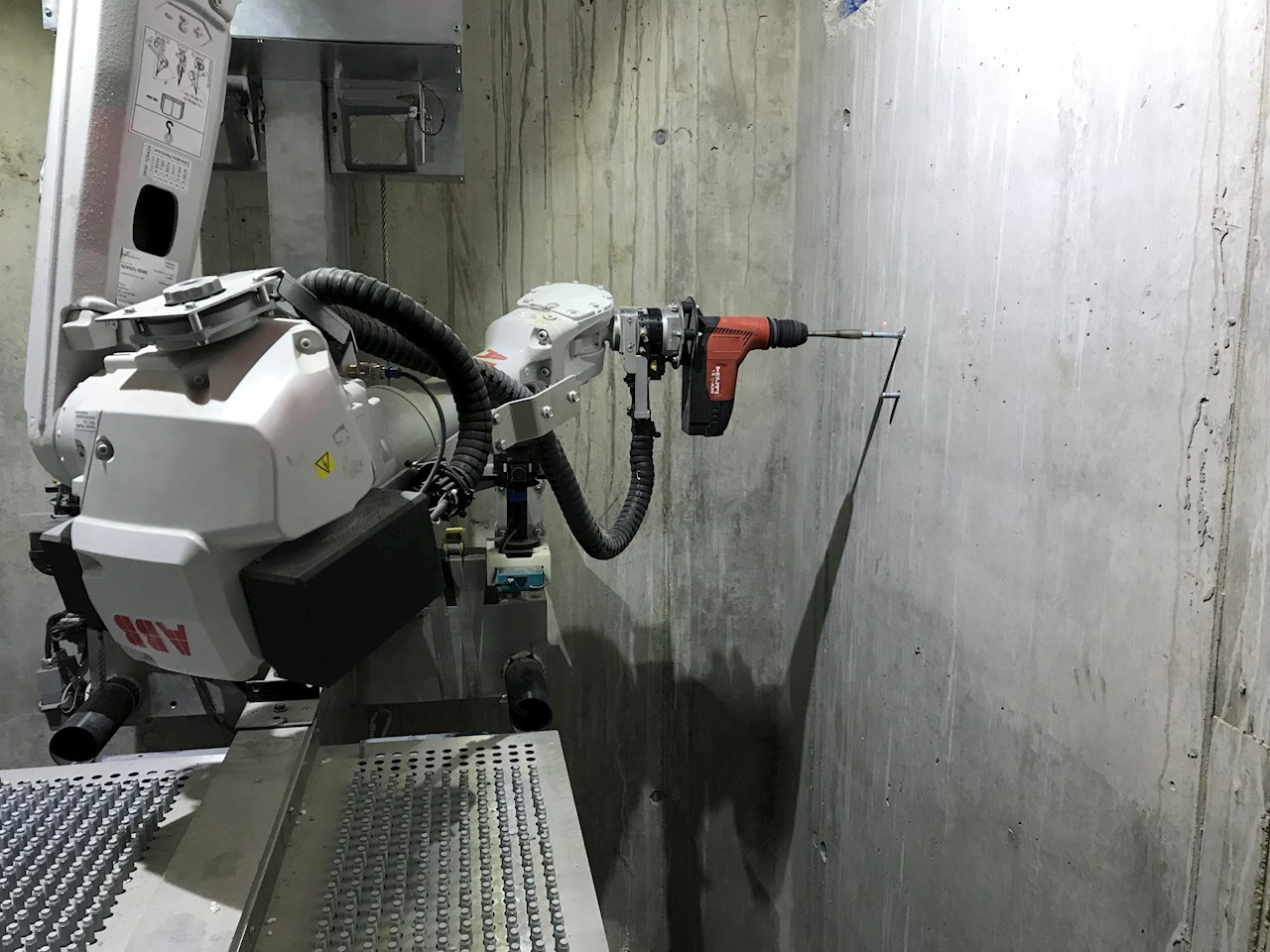
Remote drilling:
Remote-controlled, tracked drilling units are transforming underground construction by handling high-risk, high-dust tasks like core sampling, anchoring, and blast hole drilling. They operate in narrow, hazardous tunnel environments, keeping human operators at a safe distance from respirable crystalline silica dust, debris, and rockfall hazards.
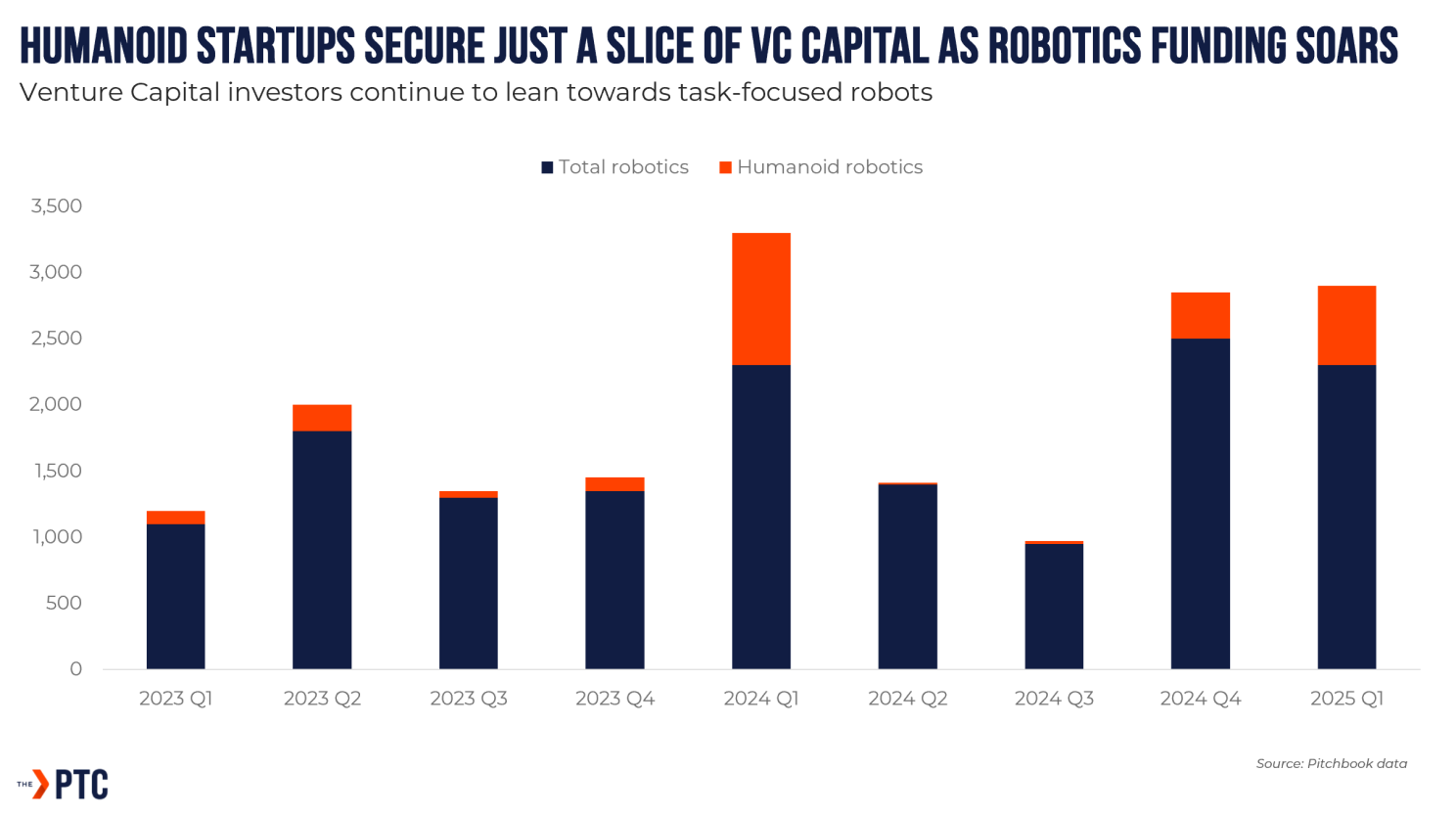
The benefits of specialisation go far beyond efficiency. Specialised robots are typically cheaper to manufacture and maintain than general-purpose robots because they require fewer complex components. They don't need to solve every problem a human can solve; they only need to reliably solve one. This makes ROI calculations much clearer, which is why investors favour them.
For example, on construction sites, the number of drywall panels an installation robot can complete in a day is easily tracked and measured compared to human workers.
On the other hand, humanoid robots remain expensive and experimental. While companies like Boston Dynamics, Agile Robotics, and Figure have made remarkable progress, large-scale deployment of humanoid robots still faces challenges related to balance, manipulation, and autonomy.
Some initiatives are promising, such as Hyundai's plans to use Boston Dynamics' Atlas humanoid robots in its factories, but these are still in the pilot project stage and have not yet achieved large-scale deployment.
Specialised robots are simpler and more robust. They are built to be hosed down and shaken around, directing nearly 100% of their energy into the task, whereas a humanoid wastes significant battery life just trying to stay upright.
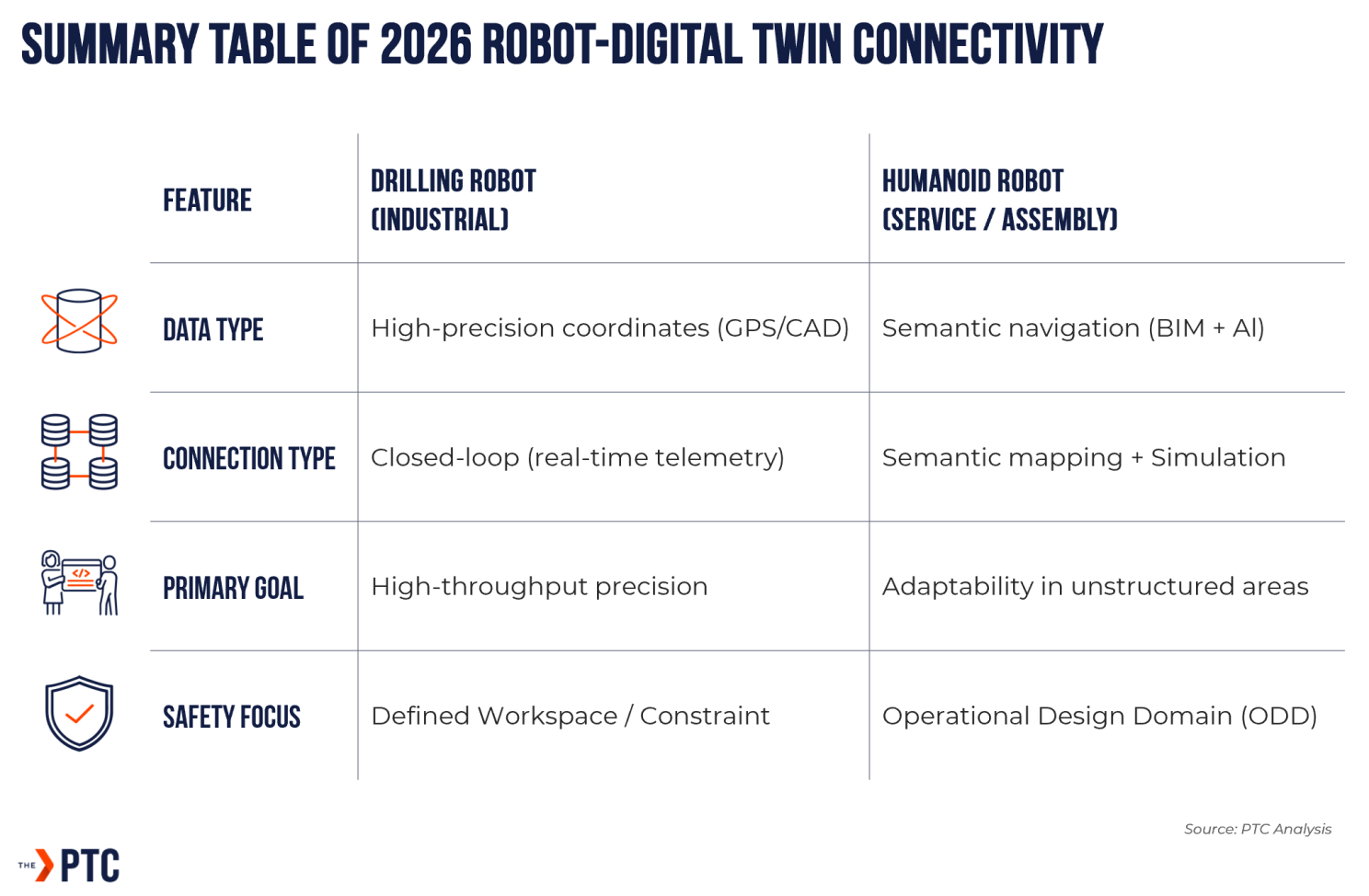
With a rapid growth in the deployment of digital twins in construction and a projected average growth of 36% within five years (Fortune Business Insights, 2026), it is critical for these robotics to integrate with digitised workflows across the lifecycle.
From the systems perspective, specialised robots are easier to manage, and it is a straightforward task to feed GPS coordinates to a drilling rig. Conversely, to teach a humanoid to read a blueprint and navigate a cluttered, changing space is still a technical challenge.
Single-task machines are becoming more capable as they integrate better sensors and artificial intelligence. Machine vision systems powered by AI, such as Intel’s RealSense cameras, are giving robots improved perception. This allows specialised robots to adapt to variations in their tasks, whether that means identifying defective packages on a conveyor belt or adjusting their painting patterns on uneven surfaces.
Nonetheless, this innovation does not mean replacement of workers on site. Technology should be a multiplier effect on site giving better outcomes and a change in focus for workers.
There is a massive skill shift. The value no longer lies in the physical labor itself, but in the technological oversight over the output. This shift extends the careers of the most experienced employees, enabling them to manage the workplace through screens rather than physical labor.
For all the noise surrounding humanoids and general-purpose robots, the real transformation is being driven by machines that do just one thing, and do it perfectly.
They might not be the stars of the next viral video, but they are the ones delivering actual value in the industry today. By reducing labor costs and bringing a level of consistency that manual work simply can't match, these specialists are proving that if the goal is to automate profitably and reliably, you don't need a robot that acts like a human; you need a tool that best achieves the outcome required.

.jpeg)


.webp)




.jpeg)
.jpg)


.jpg)
.jpg)
.webp)
.jpg)
.jpeg)


.png)
.png)

.jpg)

.jpeg)
.jpeg)

.jpeg)
.jpg)
.jpg)
.png)

.jpg)
.jpeg)
.jpeg)
.jpeg)
.jpeg)

.jpeg)


.jpeg)

.jpg)
.jpeg)
.jpg)

.png)
.jpeg)


.jpg)


.jpeg)
.png)


.jpg)
.png)

.png)
.png)
.jpg)
.jpg)
.jpg)
.png)
.webp)
.png)
.jpg)
.jpg)


.png)



.jpg)


.jpeg)
.jpeg)

.png)
.png)
.png)
.jpeg)

.jpeg)
.png)