The PTC
5
min read
Published on
May 27, 2026
March 26, 2026



The role of innovation and technology is now fully established as critical for the real estate (see our recent Newsletter on R&D within real estate).
The importance of a technology strategy and underlying operating models is therefore paramount. In the past, real estate firms may have just outsourced this task to the large strategy consultants, but with increased confidence of the real estate firms and an acknowledgement that tech strategies in real estate are more complex, abstract, and rely heavily on execution pathways. Many real estate firms are choosing different pathways, driving large amounts of strategy formation in-house and engaging with specialists to shape, critique and stress-test to accelerate delivery and achieve results.
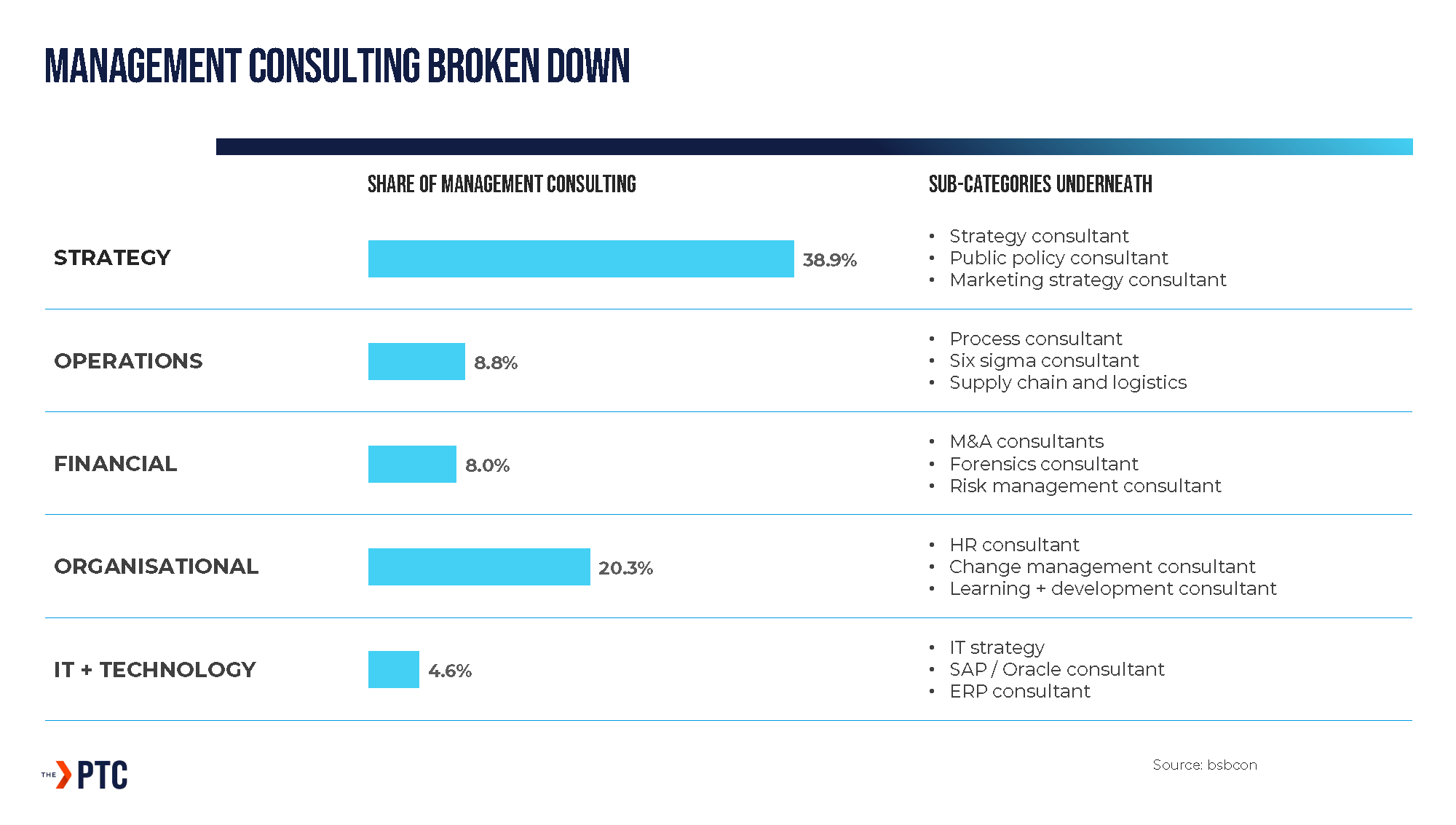
Like many other industries, real estate relied on the large strategy consulting houses to help them shape corporate (and by extension tech) strategy.
The robust frameworks, lessons from other industries, human capital, detailed research and proprietary data were powerful assets and gave senior management legitimacy and support for larger strategic changes.
The large consulting firms still offer value in this space by virtue of their scale, experience and support in large corporate change. In real estate, especially though the traditional model struggles to keep up with what the sector needs, especially around the use, needs, and applicability of technology to enhance business performance.
Real estate is not looking for strategy in isolation. Instead, issues such as the use of AI, ESG integration, and the move toward fully digital processes are not abstract; they require an understanding of capability and prioritization which need a different set of skills. Only 5% of AI projects in real estate have achieved meaningful value, showing that chasing new tech without a clear understanding of the purpose of the function can be counterproductive.
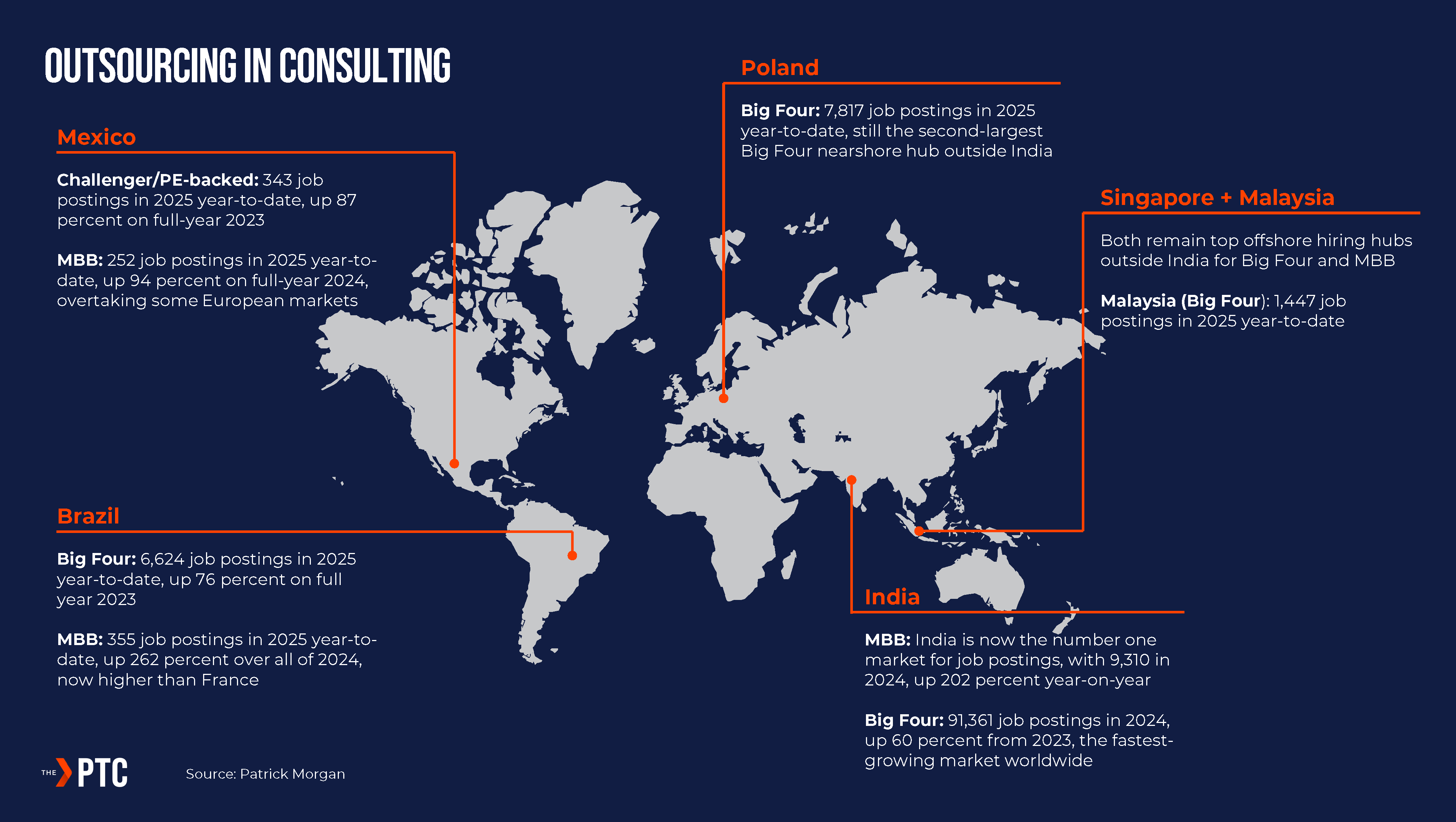
Technology is now integral to the real estate industry and has a direct impact on financial performance from asset management, construction, sales to all other areas of the asset lifecycle.
Investment in technology in real estate is booming, and companies invested $42bn in 2024 into innovation programs and research.
Real estate firms have built up internal capabilities to drive tech strategy, embedded into processes and continuously optimised. Leading real estate firms need to have these skills internally to define the tech ambition relevant to the business, build alliances internally and make the financial and strategic decisions for future growth.
The growth of data (public and proprietary) and the increased functionality of AI have given internal capabilities and autonomy of decision-making to real estate firms. ~90% of real estate firms have some AI integration, and they expect consultants to be using AI to deliver advice (further reducing the value of generic strategy advice).
This doesn’t mean that real estate firms have to do all of the thinking. Plugging in specialists for particular projects, complex use cases, or accelerating execution is a lower-risk method of delivery. This can be particularly relevant for future planning, emerging technology or where the tech impact has an operational impact in the wider business.
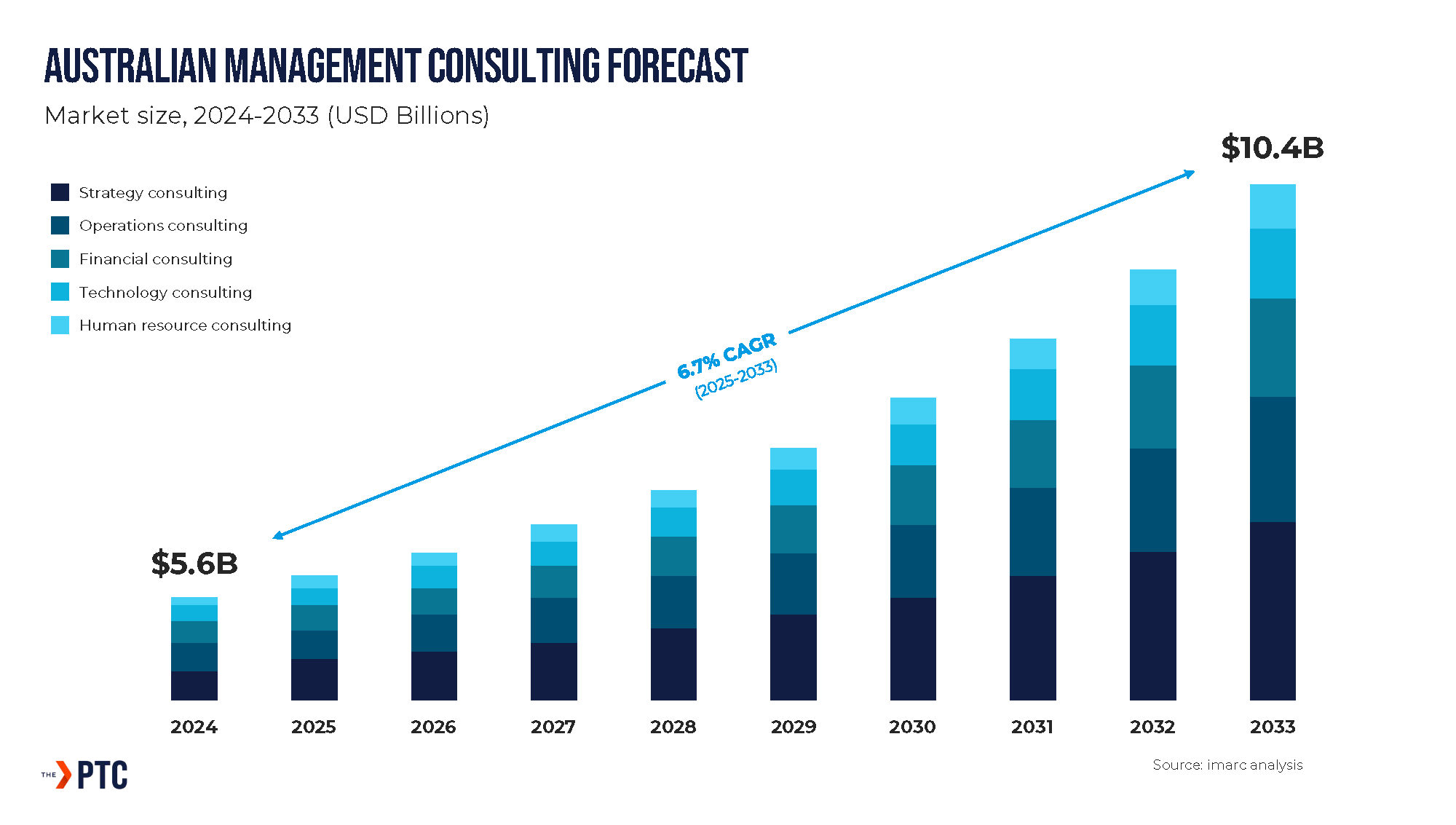
Technology consulting is growing at 6-7% per annum, and a lot of this growth is occurring in the boutique and specialist space, with some reports identifying 27m independent or smaller consultants globally (less than 50 employees).
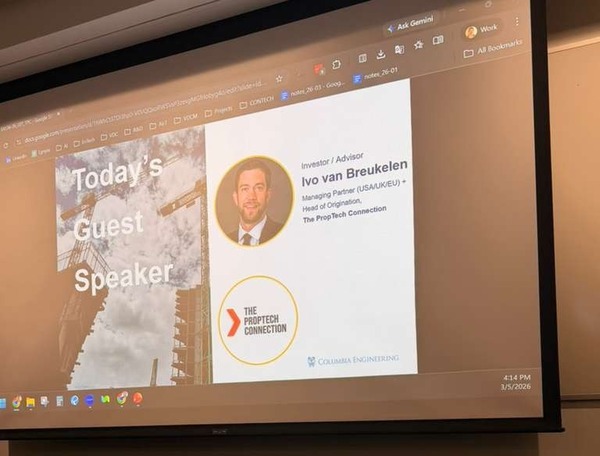
Firms like The Proptech Connection are attractive to the real estate industry due to three main factors.
1. Real estate experience and knowledge
Real estate has its own language, metrics and nuances. A developer will have very different needs from an asset owner, and ROI will be different depending on sectors or markets. Understanding this is critical to defining problems, use cases and how to address
2. Technology understanding and assessment
Technology is a complex space. Sales decks, pitches and conferences leave many decision makers more confused. The best consultants will understand the core issue, the challenge to address, the art of the possible in technology, and how to best select a tech alongside your existing tech stack.
3. Work alongside existing teams rather than in isolation
The best consultants act as an extension of the internal leads and structures. Adding capacity or giving the benefit different insights - be they global examples, peer case studies or adjunct sectors to inform knowledge and decision making is vital.
Tech adoption strategy is now integral to real estate firms’ commercial performance and positioning.
Real estate has become more native and confident with technology, but with the fast-moving evolution of technology, strategies have to be adaptable and reassessed.
Real estate firms can still benefit from external consulting to expedite and accelerate their strategic thinking around technology, but should consider the ask. With a strong internal strategy, it may be that specialists can focus on value sought, how technology operates as a whole across the entire firm or future advancements which will impact the strategy over time.
.jpeg)




.webp)




.jpeg)
.jpg)


.jpg)
.jpg)
.webp)
.jpg)
.jpeg)


.png)
.png)

.jpg)

.jpeg)
.jpeg)

.jpeg)
.jpg)
.jpg)
.png)

.jpg)
.jpeg)
.jpeg)
.jpeg)
.jpeg)

.jpeg)


.jpeg)

.jpg)
.jpeg)
.jpg)

.png)
.jpeg)


.jpg)


.jpeg)
.png)


.jpg)
.png)

.png)
.png)
.jpg)
.jpg)
.jpg)
.png)
.webp)
.png)
.jpg)
.jpg)
.jpg)


.png)


.jpg)


.jpeg)
.jpeg)

.png)
.png)
.png)
.jpeg)

.jpeg)
.png)