The PTC
3
min read
Published on
May 27, 2026
March 5, 2026



Innovation in real estate used to be an afterthought. Many firms had a small innovation team and budget, and ideas were attempted, with mixed success. Capital allocated blindly to Proptech funds and a hope, rather than an expectation, that innovation would emerge in the business without serious disruption or effort.
95% of real estate firms now feel rapid innovation is critical to their future growth; 92% have attempted AI projects; and R&D spend is at record levels in real estate.
This experience and realisation are down to ROI and acknowledgement that business success will rely on embracing technology and new ways of doing things rather than maintaining the status quo.
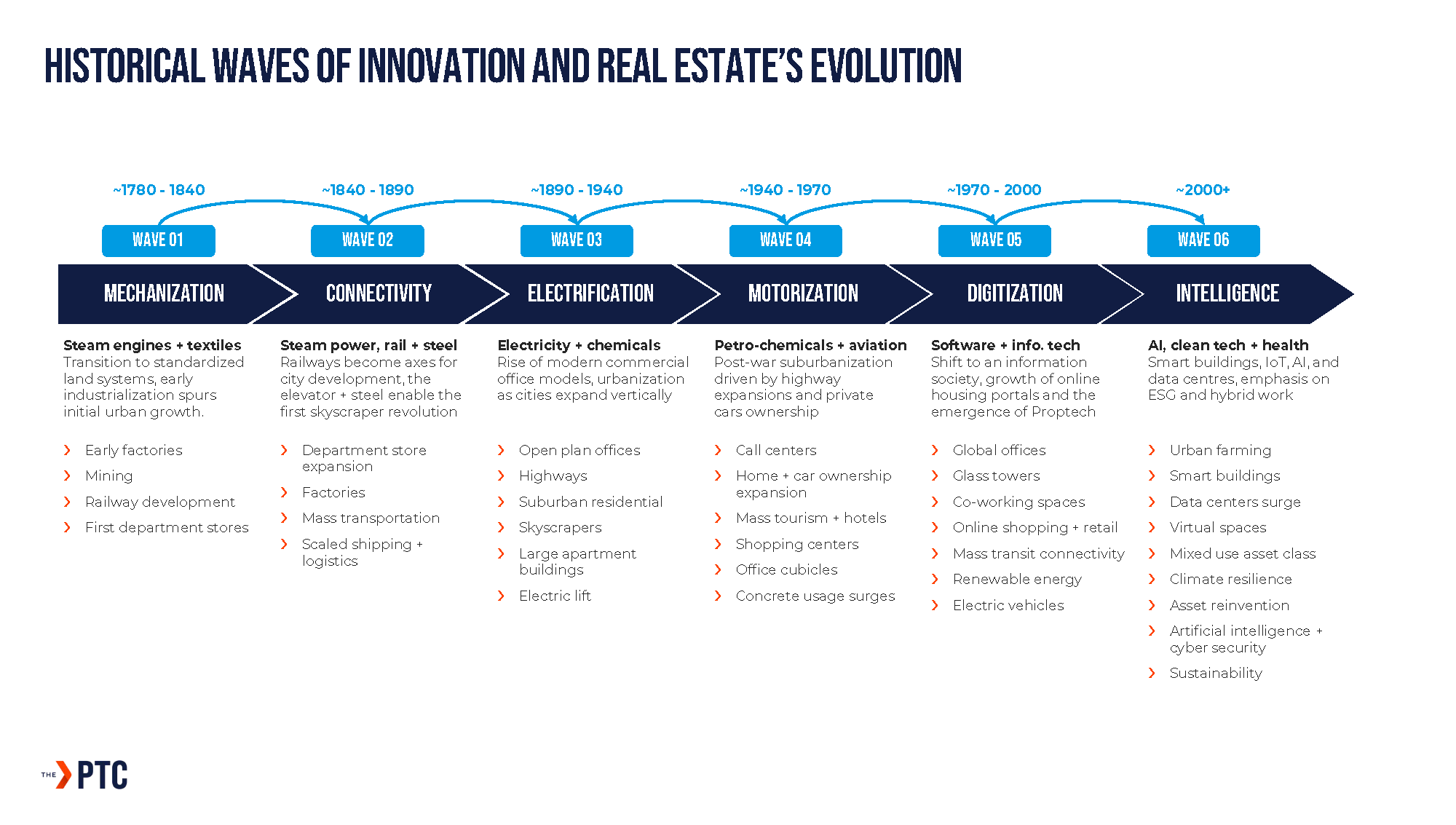
The real estate industry’s desire for innovation has crystallised as the structural challenges of a historically conservative industry make technological advancements a necessity.
Factors such as the low margins in construction, supply chain variability and regulatory pressure on quality, energy commitment and costs add to the drivers for construction space.
In terms of asset usage, flexibility of management processes across the asset lifecycle, engagement, and the increasing importance of data and energy integration are necessitating more R&D with science.
A large proportion of the increased global spend on real estate R&D has been in emerging markets, driven by central government initiatives.
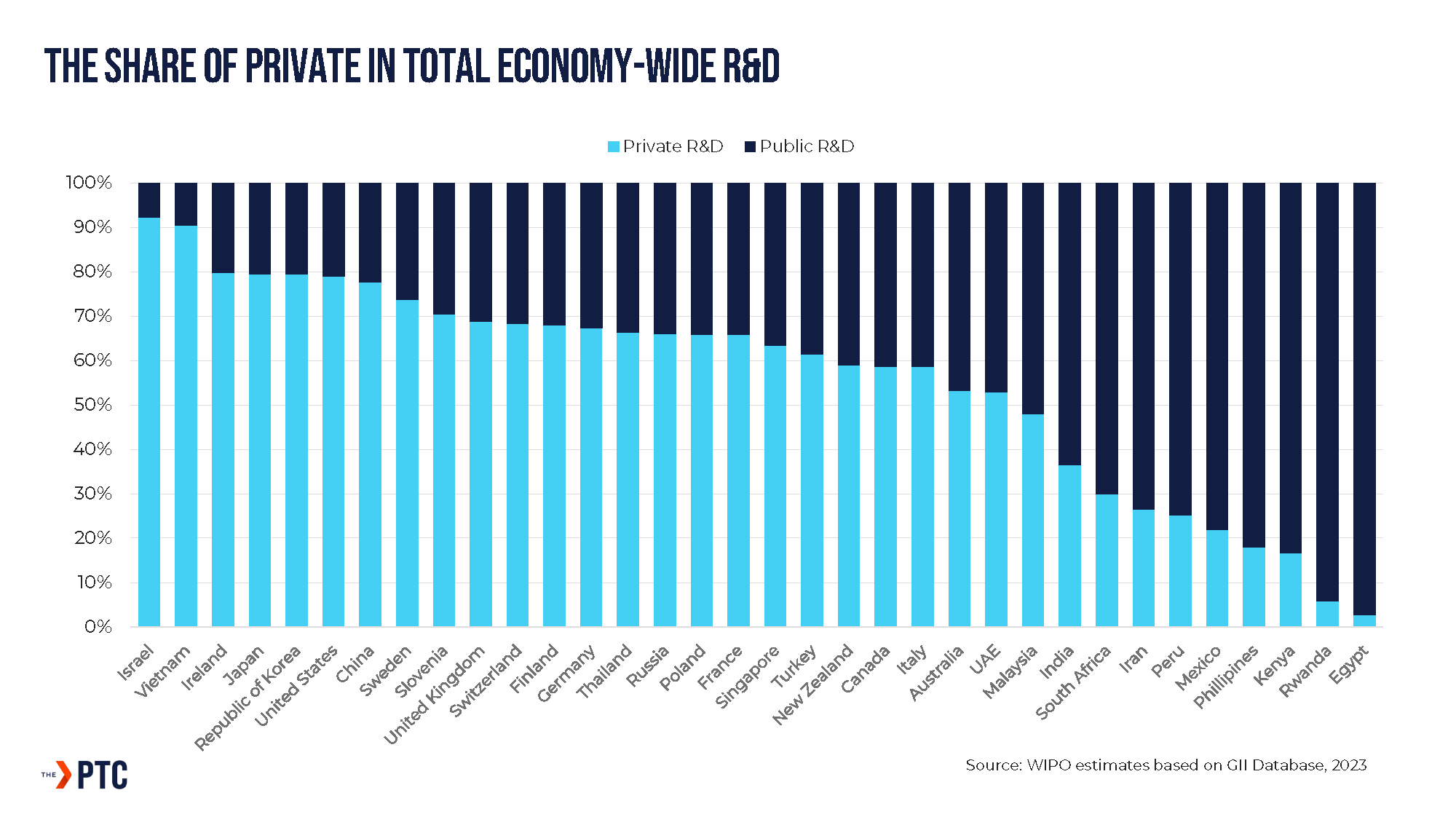
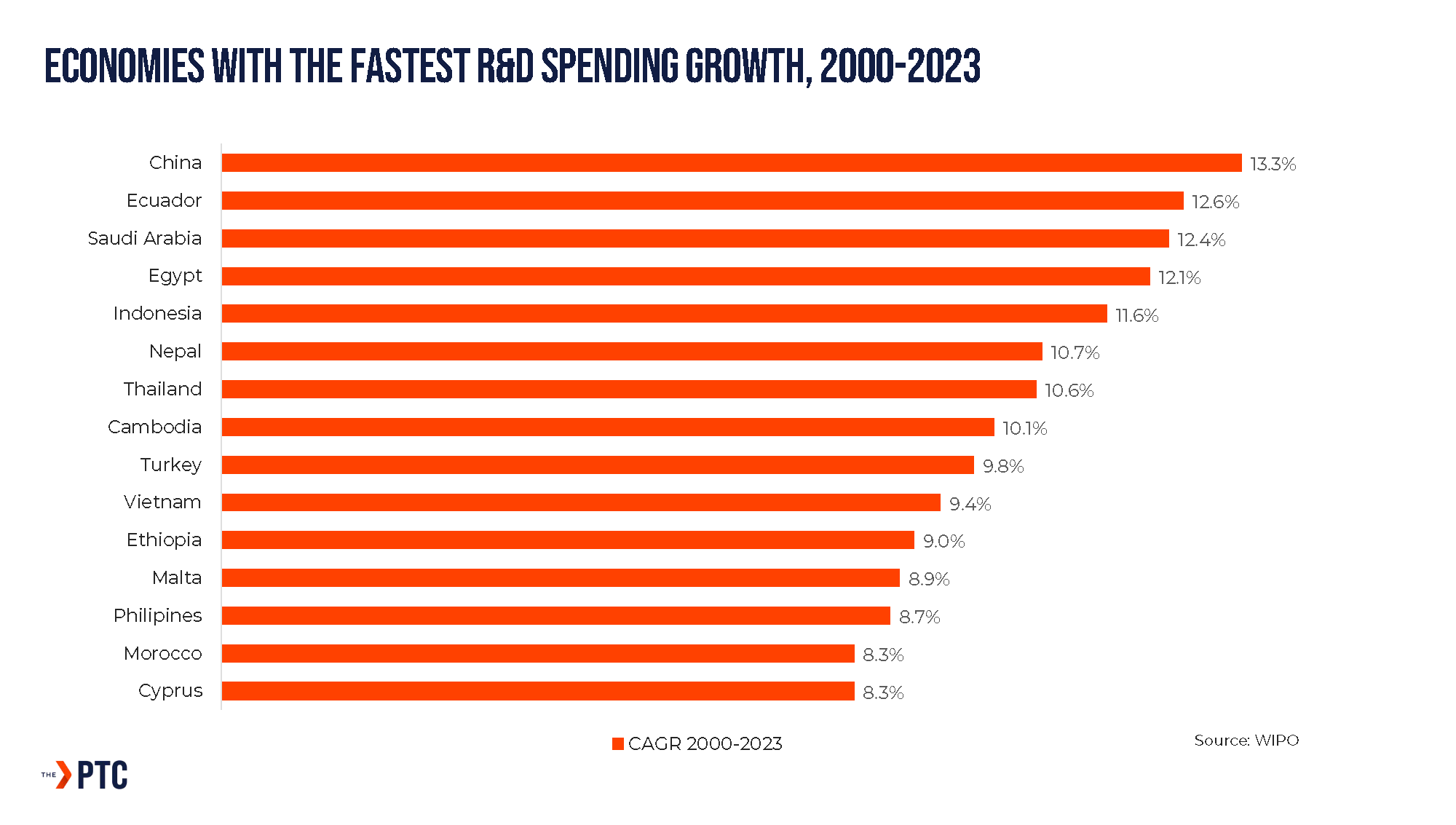
The challenges of building new cities, regions and modern infrastructure and the desire to accelerate economic transformation in countries such as Saudi Arabia, UAE, Vietnam and Chine is driving this trend. In certain markets, such as Egypt, over 95% of the R&D in real estate is government funding.
Governments are not immune to the same challenges that the wider real estate industry has faced, though, and we see central governments' funding as a multiplier for innovation rather than the main drive, and the role of the private sector is increasingly important.
Government support will be focused on national aims, including infrastructure, energy transition and societal objectives such as housing.
This support gives the private sector support in risk mitigation, scaling and realistic targets for progress reporting and industry benchmarks.
Across the different real estate sectors, we see that the firms that are successful in developing new approaches and leading innovation have multiple channels and strategies in play.
This reflects a deep understanding of the capabilities of in-house resources and where partners or collaboration can deliver faster outcomes. It also reflects the learning from past projects, which in many cases lacked focus or direct measurable outcomes. This awareness has also increased confidence, with 86% of the industry feeling more capable of innovation compared to the 2020 survey results.
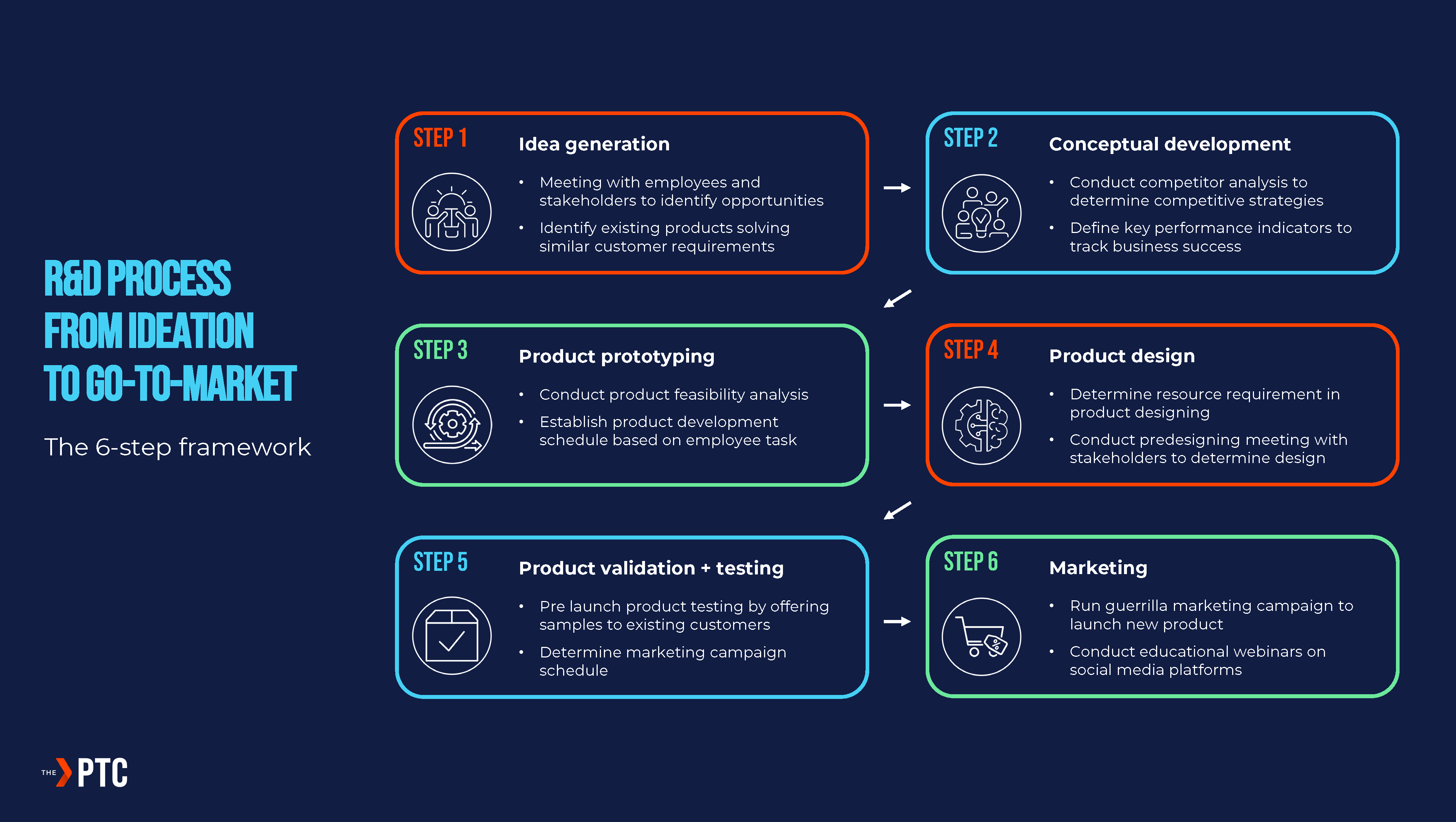
We see these different approaches in three clear routes:
Internal Innovation:
Collaborative Efforts
Longer Term Positioning
Skanska highlights how innovation can be embedded in a business and provide a pathway for more sustained performance and differentiation from peers.
Historically, R&D was decentralised and ad-hoc, depending on the projects or interest of senior stakeholders.
They moved to a portfolio-based innovation system with formal frameworks, a senior-level innovation committee, defined networks within the business and parallel structures and funding supporting key thematic solutions
The use of pilots and business assessment before scaling has been critical to successful adoption.
Impact on Business
The real estate industry is embracing innovation and has learnt from other industries and its own failures to create a more robust platform for ensuring technology successes.
A more scientific and measurable approach for development aligned to core strategic objectives is evident. A greater understanding of capabilities and the use of partners and blended approaches is critical to delivering impact on key metrics.
The real estate industry has matured in its approach to innovation, but the challenge of continuing this process should not be underestimated.

.jpeg)




.webp)



.jpeg)
.jpg)


.jpg)
.jpg)
.webp)
.jpg)
.jpeg)


.png)
.png)

.jpg)

.jpeg)
.jpeg)

.jpeg)
.jpg)
.jpg)
.png)

.jpg)
.jpeg)
.jpeg)
.jpeg)
.jpeg)

.jpeg)


.jpeg)

.jpg)
.jpeg)
.jpg)

.png)
.jpeg)


.jpg)


.jpeg)
.png)


.jpg)
.png)

.png)
.png)
.jpg)
.jpg)
.jpg)
.png)
.webp)
.png)
.jpg)
.jpg)


.png)



.jpg)


.jpeg)
.jpeg)

.png)
.png)
.png)
.jpeg)

.jpeg)
.png)