The PTC
5
min read
Published on
July 23, 2026
July 23, 2026


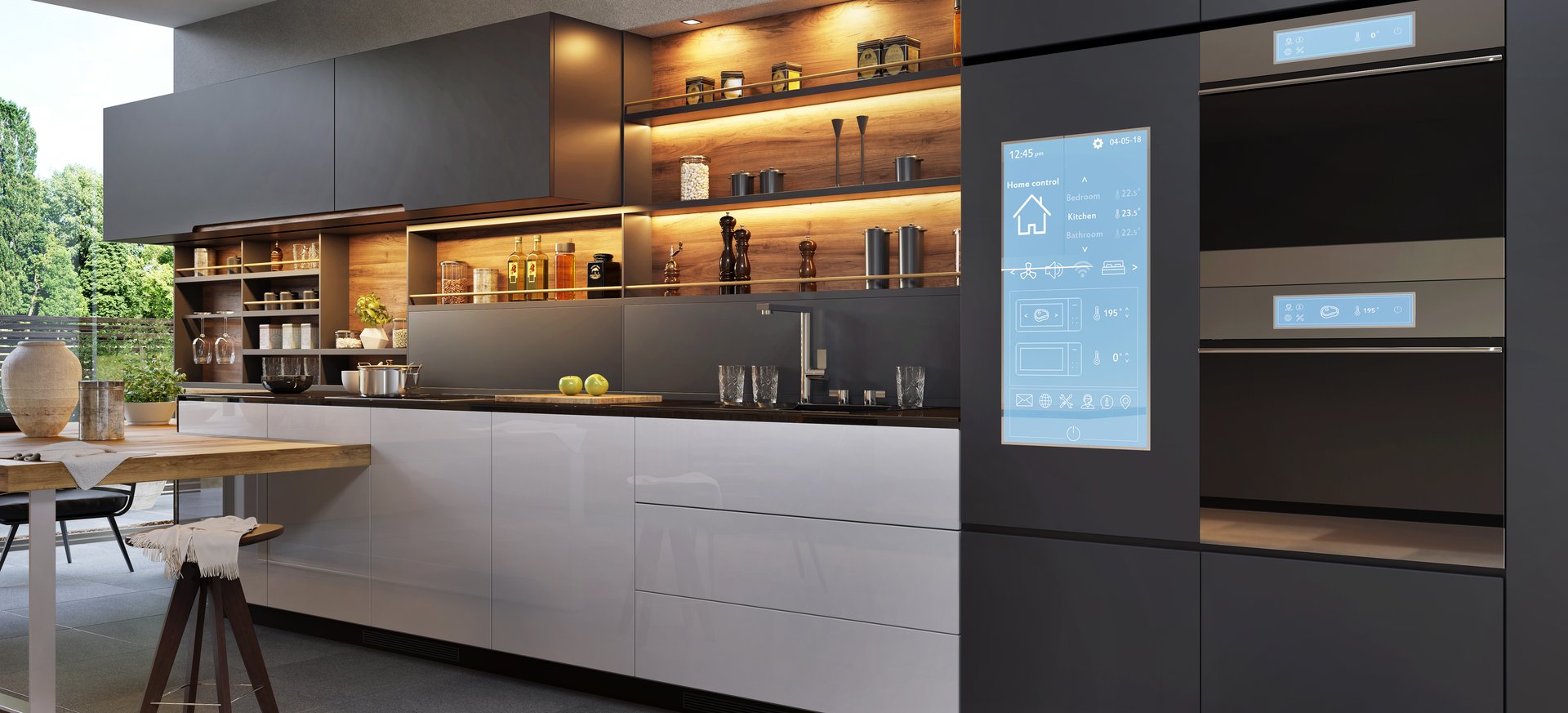
The intersection of real estate and technology has become one of the most closely watched areas of innovation in the global economy. Proptech, which broadly refers to technology solutions applied to the property sector, is no longer a niche category. It is shaping how individuals experience their homes, how businesses design and manage workplaces, and how communities interact within urban and suburban environments.
The concept of “smart living” is often linked to individual convenience through connected devices, automation, and digital services. Yet, the wider implications extend far beyond the personal level. Proptech has begun to influence the way entire neighbourhoods are planned, how cities integrate mobility, and how communities engage with local services. In parallel, the workplace is undergoing a transformation where technology supports flexibility, efficiency, and improved well-being. The convergence of these elements provides an opportunity to understand how Proptech is not only modernising real estate but also redefining the lived experience.
In the residential sector, Proptech is reshaping what it means to live in a connected environment. Smart home devices such as energy management systems, digital locks, and integrated security platforms are increasingly common. These tools enhance convenience and efficiency, but they also change the expectations of residents. A home is no longer just a physical structure but part of a wider digital ecosystem.
Residential Proptech is also influencing affordability and access. Digital platforms that support fractional ownership, flexible leasing, or co-living arrangements are altering the traditional models of property use. For younger generations, particularly in urban centres, access is often valued as much as ownership. This shift encourages new business models that leverage technology to match supply and demand more efficiently.
From a community perspective, Proptech solutions support resident engagement. Property management platforms now allow tenants to submit maintenance requests, pay rent, or access building services via digital applications. These systems reduce friction in everyday tasks but also create a channel for communication between residents, managers, and owners. Over time, such tools can foster stronger community ties, as shared services and collective feedback mechanisms become the norm.
The workplace has been one of the most visible areas of change over the past decade, accelerated by shifts in workforce expectations and global disruptions such as the pandemic. Flexible work arrangements have redefined office requirements, and Proptech has played a key role in adapting buildings to these new demands.
Smart office systems that track occupancy, monitor indoor air quality, and optimise energy consumption are now standard considerations for many organisations. Employers increasingly view the workplace as an environment that should actively contribute to employee wellbeing. Technology helps deliver this by adjusting lighting, managing temperature, and ensuring space is used efficiently.
Beyond physical comfort, Proptech has also influenced collaboration and communication within corporate real estate. Digital platforms provide real-time booking of meeting rooms, desks, and shared facilities, ensuring that hybrid work patterns can be managed without disruption. For landlords and building managers, data collected through these platforms enables a more accurate understanding of how space is used, informing future design and investment decisions.
This emphasis on flexibility has also led to new leasing models, where tenants can scale space usage up or down with greater ease. Proptech solutions provide the transparency and operational support required to make such models viable. In doing so, technology becomes central to balancing the needs of employers, employees, and landlords in an environment where certainty is often limited.
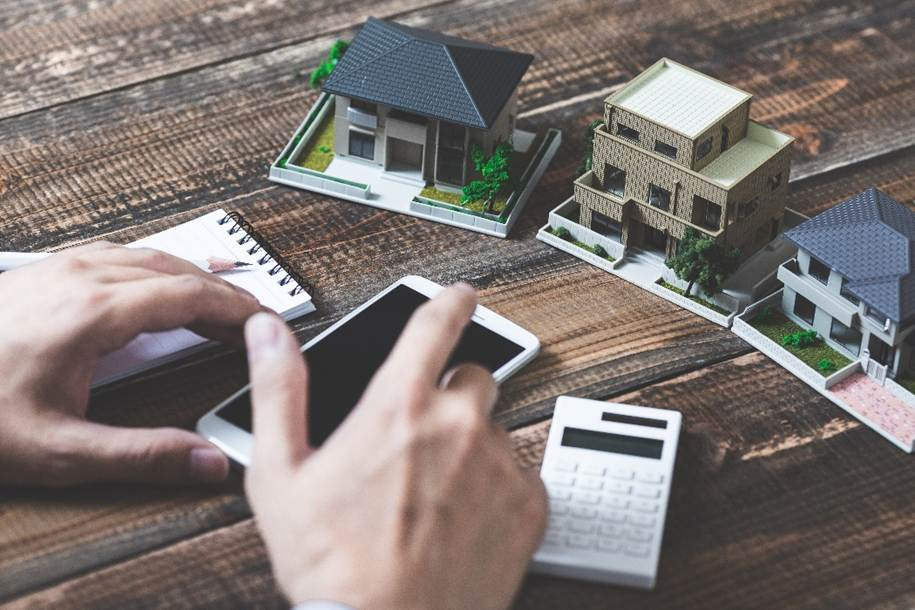
While individual homes and workplaces are important, Proptech’s influence is most visible when considered at the community level. The idea of a “smart neighbourhood” integrates mobility, sustainability, and social engagement into a connected framework. Digital platforms can facilitate local commerce, link residents to services, or provide real-time updates on transport and environmental conditions.
In urban areas, Proptech supports planning authorities and developers in creating more sustainable and efficient environments. Data-driven modelling allows for better predictions of traffic flows, energy demand, and public service usage. This in turn informs design decisions that affect the daily lives of residents. In suburban or rural communities, Proptech can bridge gaps in access by providing digital channels for services that might otherwise be limited.
Neighbourhood-level applications also extend to security and resilience. Integrated surveillance, digital access controls, and environmental monitoring systems provide reassurance while reducing the cost and complexity of traditional solutions. Importantly, when deployed responsibly, such technologies can strengthen trust within communities by increasing transparency and accountability.
Community engagement remains a central theme. Platforms that allow residents to participate in local decision-making, share feedback, or coordinate activities can create stronger social bonds. The sense of community that emerges from such initiatives is not incidental; it is increasingly seen as part of the value proposition for modern developments. Developers and municipalities recognise that technology-enabled engagement can improve satisfaction, reduce conflict, and support long-term sustainability.
A common thread across homes, workplaces, and communities is the growing importance of sustainability. With buildings responsible for a significant share of global energy use and emissions, Proptech solutions that improve efficiency are being adopted widely. Energy monitoring systems, predictive maintenance tools, and integrated building management platforms all contribute to reducing consumption and extending asset lifecycles.
Water usage, waste management, and mobility are also being influenced by Proptech. For example, smart metering systems allow for real-time monitoring and fairer allocation of utility costs. Digital waste tracking supports recycling and minimises environmental impact. In mobility, platforms that integrate public transport, ride sharing, and micro-mobility provide alternatives to car ownership, reducing congestion and emissions in dense urban areas.
The alignment between sustainability and Proptech is particularly strong in Europe, where regulation and consumer demand drive rapid adoption. However, this trend is now global, with developers, investors, and occupiers recognising that sustainable practices are not only necessary from an environmental perspective but also increasingly tied to long-term asset value.
For investors, Proptech’s role in shaping homes, workplaces, and communities is an opportunity to align capital with long-term trends. Funds dedicated to Proptech have grown significantly, with venture capital and corporate investors recognising the potential for scalable solutions. The areas attracting the most attention are those directly connected to efficiency, wellbeing, and sustainability, as these are seen as both resilient and essential.
Traditional real estate players are also more engaged than ever. Many have established partnerships with Proptech start-ups, invested in accelerators, or built internal teams to drive digital transformation. The motivation is clear: technology is no longer optional but integral to delivering competitive, resilient, and attractive real estate assets.
The outlook suggests that Proptech’s influence will continue to expand beyond the building itself into the broader urban ecosystem. Integration between residential, commercial, and community-level technologies is likely to deepen, creating a more seamless experience for individuals and organisations. This convergence may ultimately redefine how we think of real estate, not as isolated assets, but as interconnected components of living, working, and community systems.
Proptech has moved from being a peripheral consideration to a central factor in shaping the lived experience of people and communities. From smart homes to adaptive workplaces and digitally connected neighbourhoods, technology is enabling real estate to evolve in ways that meet modern expectations for convenience, flexibility, and sustainability.
The shift toward smart living and community-focused Proptech is not just about efficiency; it reflects a broader transformation in how people relate to the spaces they inhabit. Homes are becoming part of digital ecosystems, workplaces are adapting to new models of collaboration, and communities are finding new ways to connect and engage.
The future of real estate will likely be defined by how effectively these different strands are integrated, ensuring that technology enhances quality of life while supporting broader social and environmental objectives. Proptech is at the heart of this transformation, making it one of the most significant forces shaping the built environment in the decades ahead.

.jpeg)



.webp)




.jpeg)
.jpg)


.jpg)
.jpg)
.webp)
.jpg)
.jpeg)


.png)
.png)

.jpg)

.jpeg)
.jpeg)

.jpeg)
.jpg)
.jpg)
.png)

.jpg)
.jpeg)
.jpeg)
.jpeg)
.jpeg)

.jpeg)


.jpeg)

.jpg)
.jpeg)
.jpg)

.png)
.jpeg)


.jpg)


.jpeg)
.png)


.jpg)
.png)

.png)
.png)
.jpg)
.jpg)
.jpg)
.png)
.webp)
.png)
.jpg)
.jpg)
.png)



.jpg)

.jpeg)
.jpeg)

.png)
.png)
.png)
.jpeg)

.jpeg)
.png)